
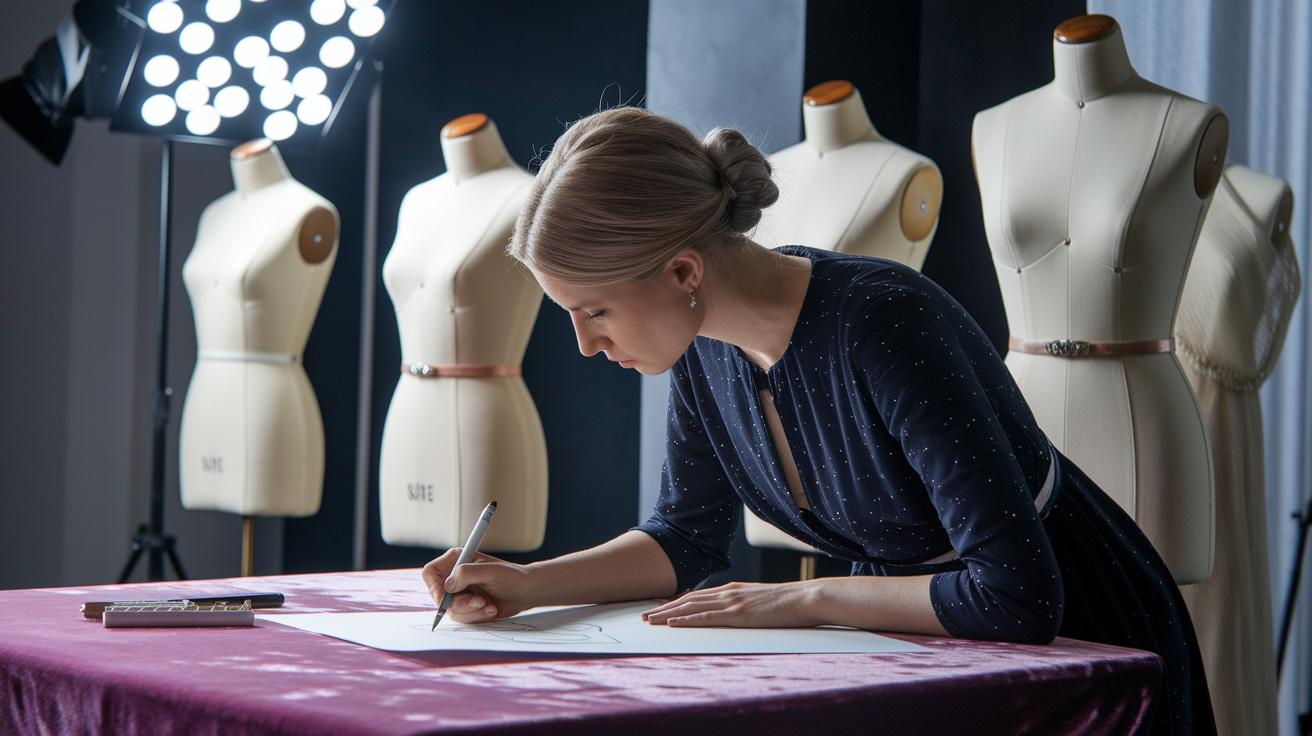
Ever wondered if fashion could be so much more than fabric? Top couture designers transform cloth into works of art, making bold statements with every stitch. Their legacy stretches back to the first designer labels in 1858 and flows into today’s rule-breaking creations. These visionaries blend time-honored techniques with fresh ideas to keep couture vibrant. Our look shows how each carefully crafted piece carries a deep heritage while shaping modern style.
high couture designers: Iconic Style Unfolds
High couture designers have an amazing knack for turning fabric into wearable art. It started back in 1858 when Charles Frederick Worth first introduced designer labels and seasonal collections. Since then, couture has become a world of bespoke tailoring, where every garment is crafted with expert skill. Designers like Gabrielle Chanel replaced stiff corsets with comfortable knit jersey, while Christian Dior sparked a revolution in 1947 with his New Look featuring cinched waists and full skirts. Today, these designers blend time-honored techniques with fresh ideas, creating pieces that celebrate both precision and creativity.
Early pioneers pushed fashion past its old boundaries, inspiring a new wave of creative trailblazers. Yves Saint Laurent made headlines in 1961 with his Le Smoking tuxedo for women, merging high fashion with a ready-to-wear feel and challenging traditional gender roles. Modern couture now stands for sustainable practices, detailed craftsmanship, and the use of ultra-luxurious fabrics. Today’s brands honor their heritage while tackling challenges like ethical production and innovative sourcing. Every piece they create is a nod to a legacy of excellence, proving that the allure of high couture endures.
| Designer | Brand Founded Year | Signature Innovation |
|---|---|---|
| Charles Frederick Worth | 1858 | Designer labels and seasonal collections |
| Gabrielle Chanel | 1910 | Comfortable knit jersey and the little black dress |
| Christian Dior | 1946 | The 1947 New Look |
| Yves Saint Laurent | 1961 | Le Smoking tuxedo for women |
| Pierre Balmain | 1945 | Jolie Madame style |
| Jean-Paul Gaultier | 1976 | Provocative gender-fluid creations |
| Gianni Versace | 1978 | Bold opulent designs with a Medusa logo |
| Valentino Garavani | 1960 | Iconic Valentino red gowns |
| Elie Saab | 2002 | Lebanese-inspired intricate embellishments |
| Zuhair Murad | 2002 | Rich beadwork and couture craftsmanship |
| Brandon Maxwell | 2006 | Classic tailoring with modern details |
| Khaite | 2016 | Effortless modern luxury design |
Iconic High Couture Designers of the 20th Century
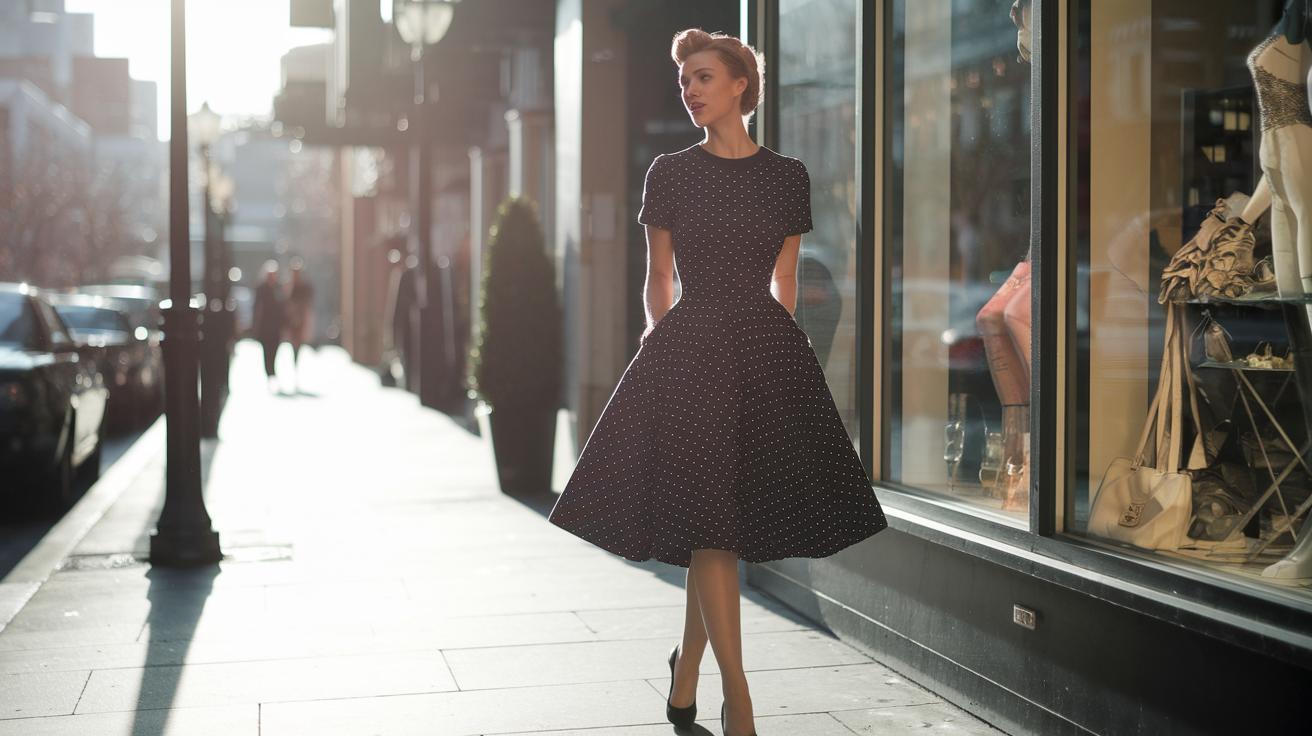
The 20th century changed how we look at style. Designers didn’t just change shapes, they sparked shifts in our culture. Their creative ideas influenced everyday outfits and celebrity trends alike.
Gabrielle "Coco" Chanel
Chanel shook things up with her fresh take on knitwear and the iconic little black dress. Her work helped free women from tight, old-fashioned clothes and pushed style toward practical elegance. In fact, her designs quietly redefined what it meant to feel free in your clothing.
Christian Dior
Dior brought a renewed sense of feminine luxury with his famous New Look. His designs brought back refined elegance at a time when the world was healing. Today, many designers still look to his work for inspiration as they balance rich details with wearability.
Pierre Balmain
Known for his Jolie Madame style, Balmain charmed both royalty and Hollywood stars with his sharp tailoring and graceful details. His designs still resonate in modern red-carpet looks and high-street collections, blending classic structure with a hint of modern flair.
Yves Saint Laurent
Yves Saint Laurent broke traditional rules with Le Smoking, a design that blurred the lines between genders. His daring approach set a new standard and started conversations about identity and modern style, a legacy that continues to inspire fashion today.
Contemporary High Couture Designers Shaping Today’s Runway
Jean-Paul Gaultier
Jean-Paul Gaultier started his label back in 1976 and quickly caught everyone's eye with bold, gender-fluid creations, think Madonna's famous cone bra. His runway shows spark lively conversations and mix playful innovation with expert craftsmanship. Honored as Chevalier de la Légion d'Honneur in 2001, he continues to push boundaries and inspire a fresh take on luxury fashion.
Gianni Versace
Gianni Versace launched his brand in 1978 and quickly built a reputation for daring designs that use luxurious materials and striking prints. His work turns the runway into a stage where every piece tells a vivid story, with the iconic Medusa logo standing for both beauty and strength. Versace’s innovative approach set a high standard, and his influence still shines brightly in the bold style of the brand.
Valentino Garavani
Valentino Garavani introduced Maison Valentino in 1960 with a focus on the signature “Valentino red” gowns. Each creation features delicate lace, soft chiffon, intricate pearl beading, and ruffles that celebrate haute couture craftsmanship. Blending tradition with a modern twist, Valentino has perfected a look that exudes confidence and timeless elegance.
Elie Saab
Elie Saab made a splash in 2002 with his first couture collection, drawing on his Lebanese heritage to craft gowns adorned with sequins, crystals, and gemstones. By mixing detailed Middle Eastern embroidery with sleek Western silhouettes, Saab creates a stunning fusion of cultures. His fresh, innovative designs continue to captivate audiences and have earned him a top spot in the world of high couture.
Craftsmanship and Atelier Techniques in High Couture Design
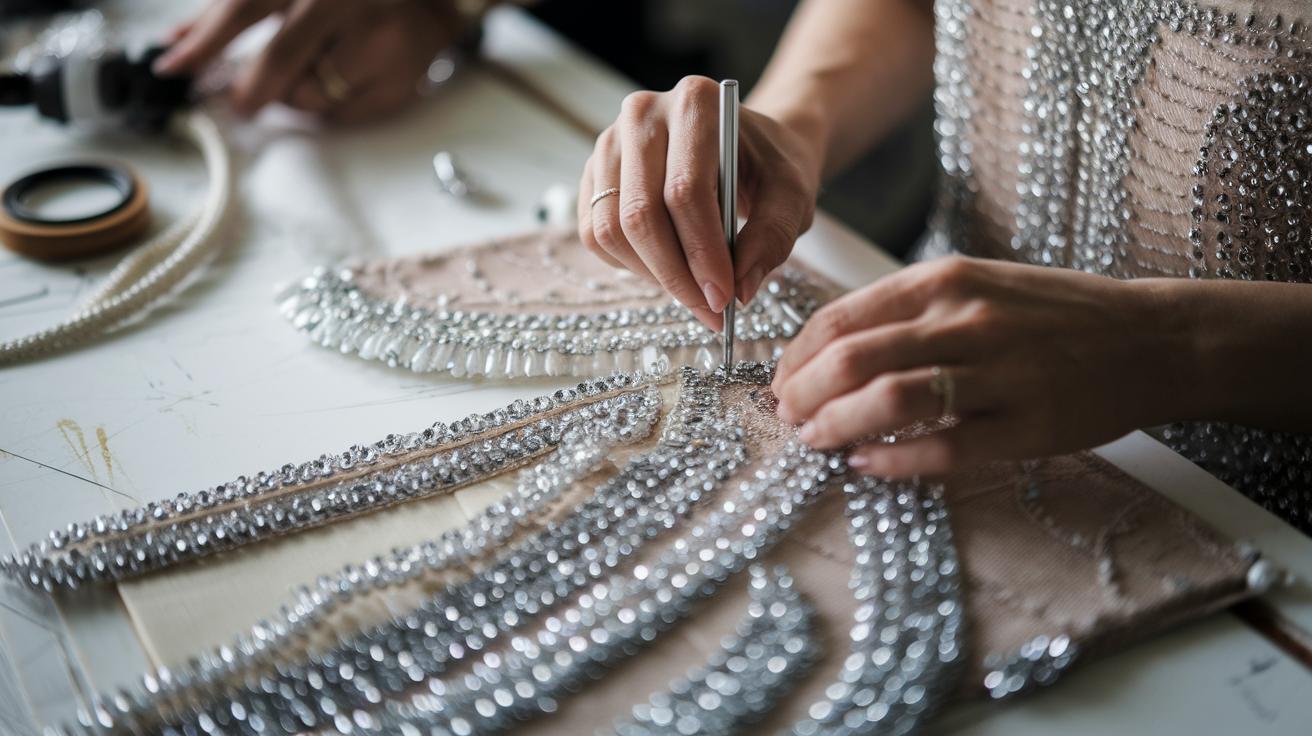
Couture ateliers are creative hubs where expert designers and skilled artisans transform ideas into luxurious dresses. In these studios, specialist craft professionals work magic with embroidery, beadwork, lace, and pattern making. Every gown can take over 100 hours of hand-sewing, proving that each piece is truly one of a kind.
Studios like Elie Saab’s shine with crystals and sequins that add sparkle to elegant designs. Meanwhile, designers such as Zuhair Murad are famous for bold beadwork and rich colors like gold and champagne. These ateliers keep experimenting with fine details that mix traditional art with modern fabric innovations.
Modern couture houses are also putting ethics into style. Designers like Gabriela Hearst and Tony Hamawy use recycled cashmere, organic cotton, and deadstock fabrics to make sustainable choices. By blending eco-friendly practices with masterful craftsmanship, they create garments that are as responsible as they are luxurious.
Every creation, priced anywhere from tens of thousands to hundreds of thousands of dollars, is a perfect mix of technical skill and creative vision that defines today’s haute couture.
The Economic Impact and Future Directions for High Couture Designers
High couture designers drive the luxury market with significant economic muscle. For instance, Gucci is worth $23.8 billion in 2024, showing how brands expand their influence through accessories, perfumes, and licensing deals. Labels like Chanel keep the essence of couture alive by using profits from their perfumes, handbags, and ready-to-wear collections to fund even more lavish pieces. These brands set high financial standards that echo across the global fashion world, drawing a sophisticated clientele from around the globe. Their ongoing success shows how creative art and solid financial performance go hand in hand.
New technology is transforming high couture with digital presentations, exclusive showrooms, and online displays that protect client privacy and cut down on environmental impact. Markets in Asia and the Middle East are also playing a bigger role, shaping runway trends and influencing house strategies. With a mix of strong economics, modern tech, and eco-friendly practices, high couture is stepping into a future where innovative designers and global trendsetters keep redefining luxury. These modern approaches not only drive economic growth but also change the way we see luxury, blending sustainability with smart global expansion.
Final Words
In the action, this article tracked the evolution of high couture designers from their storied origins to the craftsmanship in modern ateliers. It broke down the impact of pioneering names and traced the trail from iconic innovators to today's runway visionaries.
Every detail highlights how both heritage and innovation shape the industry. The story reminds us that high couture designers continue to set trends and drive change, leaving us excited for what's still ahead in this dynamic world.
FAQ
Who are the top high couture designers in the world?
The top high couture designers in the world include iconic names like Chanel, Dior, and Yves Saint Laurent. Their innovative pieces and bespoke craftsmanship set the standard for luxury fashion globally.
What defines a haute couture designer?
The term haute couture designer means a creator of exclusive, custom-made garments that combine high artistry with meticulous handcrafting, establishing trends and redefining luxury each season.
Who are some famous women high couture designers?
Famous women high couture designers, like Gabrielle “Coco” Chanel, revolutionized fashion by introducing modern knitwear and the little black dress, leaving a lasting impact on the industry.
How do the best haute couture houses stand out among others?
The best haute couture houses distinguish themselves through heritage, signature innovations, and unparalleled craftsmanship, creating one-of-a-kind pieces that embody timeless elegance and artistic vision.
What are designers of high fashion couture called?
Designers of high fashion couture are known as high couture designers or iconic dress architects, celebrated for their ability to merge artistry with masterful tailoring to produce exclusive runway creations.
Who are some of the most sought-after high-end designers setting trends today?
The most sought-after high-end designers, including Versace and Jean-Paul Gaultier, capture attention with bold, trendsetting pieces and innovative designs that continually influence global fashion.