
Get ready for a new era of streaming. In 2026, your favorite shows and movies are going to be easier to watch than ever. Services are rethinking how they deliver content on phones, tablets, laptops, and even in your car. New smart tools and on-demand options are shaping a future that can keep up with our fast-changing habits. With AI fine-tuning your viewing experience, streaming is set to become simpler and more responsive for everyone.
Feature on Streaming Trends: Comprehensive Overview for 2026
Streaming ended 2025 with big changes. Content owners and platforms worked hard to keep viewers hooked even as costs rose. Different methods in content delivery, apps, and how money is made drove up expenses and slowed things down. Fast tech changes and new viewer habits mean the industry must get smarter to stay relevant.
Platform leaders now face a bustling digital media scene. The old single-screen way is over. Today, people watch on connected TVs, phones, tablets, laptops, and even in-car systems. Online video growth makes it clear that subscription services need to be simple and work well on every device.
• Multi-device consumption
• Growth of on-demand content
• Hybrid cloud strategies
• AI-powered workflow automation
• Rise of short-form content for Gen Z
Looking ahead to 2026, these trends show a streaming world in transition. Hybrid cloud tools and AI are boosting efficiency and scale. With Gen Z pushing for quick, vertical videos and more on-demand choices, innovation will focus on smooth experiences across all screens. All of this is setting the stage for a more agile and affordable streaming future.
Streaming Trends in Viewer Behavior: Multi-Device Consumption
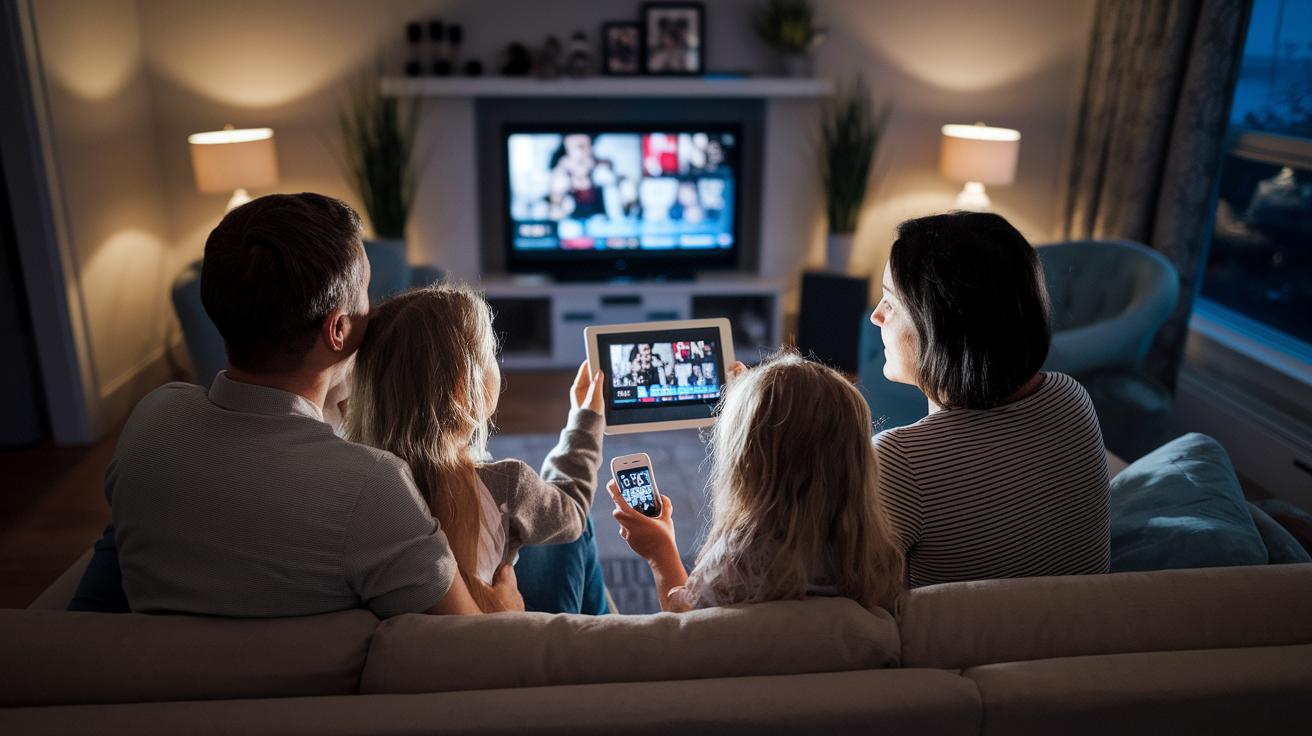
Streaming isn’t what it used to be. People have moved from watching on just one screen to tuning in on everything from connected TVs to smartphones, tablets, laptops, and even in-car systems. Now, streaming providers are hard at work making sure your experience is smooth regardless of what device you’re using. For example, a streaming app might switch to vertical video on a smartphone when it senses you’re holding it a certain way. Digital habit analysis shows us that viewers expect the same quality whether they’re watching a movie on their big screen TV or catching an episode on a tablet.
This shift to multi-device viewing is also opening the door to a bigger, global audience. As people from different parts of the world start watching on various devices, content managers are busy tweaking interfaces to match local habits and cultural tastes. Studios are embracing multi-platform strategies that let them reach viewers on the go and at home. Markets that once depended on living room TVs now require solutions that work perfectly on mobile devices. In short, this worldwide trend is pushing content owners to polish their digital tools and invest in methods that keep viewers engaged no matter where they are.
Streaming Trends Technology Advances: From HTTP/3 to Hybrid Cloud
Streaming platforms are now using newer transport protocols like HTTP/3 and QUIC to cut lag and reduce buffering. This means viewers enjoy smooth playback on all devices. For example, HTTP/3 helps pages load faster and videos start almost instantly. Providers see these upgrades as key to delivering great streaming, especially for live events and busy release days.
Hybrid cloud strategies are also in the spotlight as services work to meet high demand while keeping costs in check. By mixing on-site systems with cloud capacity, providers can handle sudden surges during big premieres or sports events. AI-powered automation further improves the process by making content discovery and ad placements more efficient. Quick ad tweaks based on real-time viewer behavior help drive both engagement and revenue with less manual work.
Protecting content remains a top priority. Tools like DRM key rotation, watermarking, and encryption work together to fight piracy and secure revenue. Smart analytics give live feedback on viewer habits, allowing services to adjust quality instantly and boost network performance. These tech advances not only improve operations but also ensure a strong, uninterrupted streaming experience for audiences around the world.
Streaming Trends Monetization Models and Market Dynamics
FAST (free ad-supported streaming television) and AVOD (ad-supported video on demand) models are on fire right now as viewers look for wallet-friendly streaming options. With more free, ad-supported shows on the scene, platforms are meeting the growing demand for low-cost entertainment while giving advertisers a bigger stage. For example, a service might boast, "Watch your favorite shows for free with just a few ads," attracting budget-oriented viewers and boosting ad exposure. This shift is encouraging providers to get creative with how ads are shown, ensuring they blend into the experience without interrupting the show.
Subscription services are also changing gears. New hybrid models, like freemium tiers and ad-supported plans under $10, are making a splash. Providers are testing different mixes to keep costs low and quality high. The big challenge is keeping the right balance so that ad breaks don’t drive people away. Take one service that carefully tames its ad frequency during peak hours to keep subscribers happy and engaged.
Behind the scenes, combining services for content delivery, monetization, and analytics is reshaping the market. Fresh faces in the space and niche platforms are challenging the old ways, pushing even the big players to streamline operations. This integration speeds up fixes, cuts costs, and helps platforms stay strong in today’s fast-moving entertainment scene.
Streaming Trends Future Projections and Strategic Insights
By 2026, the streaming world will look very different. Companies will merge their systems and rely on smart, automated processes. This change will boost efficiency, save money, and allow quick adjustments based on what viewers need.
Investments will climb, especially in short videos, virtual events, and live interactive broadcasts that connect with Gen Z and Millennial audiences. Technologies like 4K/8K streaming and low-delay live feeds will soon be standard. These upgrades will use real-time data to create a more personal and fresh viewing experience.
Content creators and streaming services must balance new ideas with careful spending and keeping viewers loyal. By leaning on data, they can pick the right shows and quickly adapt to new trends. In doing so, they will be ready to meet changing viewer habits and enjoy long-term growth.
Final Words
In the action, streaming trends are reshaping our viewing experience as platforms adapt to multi-device habits and evolving content demands. Recent shifts in technology advancements, subscription models, and viewer behavior signal a new pace in digital media innovation. Our feature on streaming trends highlights how AI, hybrid cloud systems, and short-form formats drive efficiency and viewer engagement. With these dynamic changes, the future looks bright for streaming, paving the way for more immersive, connected experiences.
FAQ
What are the notable features on streaming trends for 2022 and 2023?
The feature on streaming trends for 2022 and 2023 provides insights into shifting viewer habits, evolving content formats, and technology innovations, including multi-device engagement and changes in monetization strategies.
What are the current streaming service trends?
The trend with streaming media emphasizes growth in multi-device consumption, an increase in on-demand and short-form content, and the use of AI and hybrid cloud solutions to improve user experience and operational efficiency.
What new opportunities exist in the streaming business and entertainment industry?
The streaming business creates opportunities by using AI for content personalization, expanding multi-device delivery, and adopting hybrid cloud methods that allow platforms to reach broader audiences and enhance performance.
How intense is the competition in streaming services?
Competition in streaming services forces providers to continuously innovate, manage costs effectively, and enhance the user experience through diverse content offerings and cutting-edge technology.
Who are considered the big three in streaming?
The big three in streaming are Netflix, Amazon Prime Video, and Disney+. They lead the market with vast content libraries, original productions, and a strong international presence.
What does the future of streaming look like?
The future of streaming points to more automated workflows, personalized content experiences, and advanced video deployments like 4K/8K, along with an increased focus on interactive and short-form content for younger audiences.