
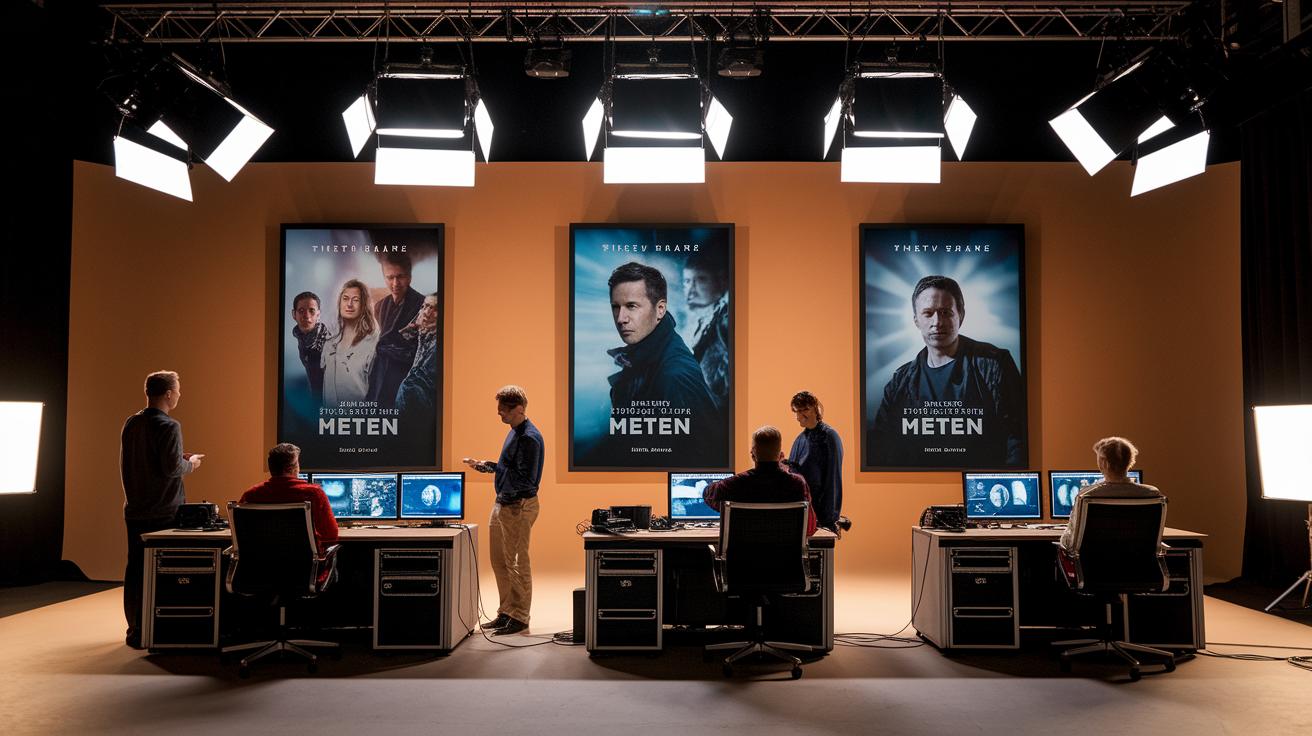
Ever wonder how a few key segments can transform your TV viewing? Every episode is filled with carefully planned features that pull you in and shape the story.
From fast-paced pre-production to the magic captured on camera, every detail counts. In this post, we're diving into three segments that spark interest and draw viewers deeper into the narrative. Smart storytelling and precise planning make TV shows unforgettable.
Defining a Feature on TV Productions
Feature segments in TV productions are key parts that stitch individual episodes into a bigger story. They mix memorable, character-driven scenes with a clear production process that covers everything from pre-production and production to post-production. With tight schedules and quick back-to-back shoots, every on-air segment is planned with precision, creating a smooth broadcast that hooks viewers and drives the story forward.
- Sits within a larger episodic narrative
- Demands rapid production and consecutive shoots
- Highlights character-driven visual storytelling
- Requires detailed planning from start to finish
Production teams stick to strict timelines to hit urgent network deadlines. Every detail, from casting and script tweaks to set design and the final polish, plays a part in delivering a seamless final product. By balancing creative flair with a disciplined workflow, these segments spark interest and pull viewers deeper into the unfolding series.
Planning and Pre-Production Features for TV Productions
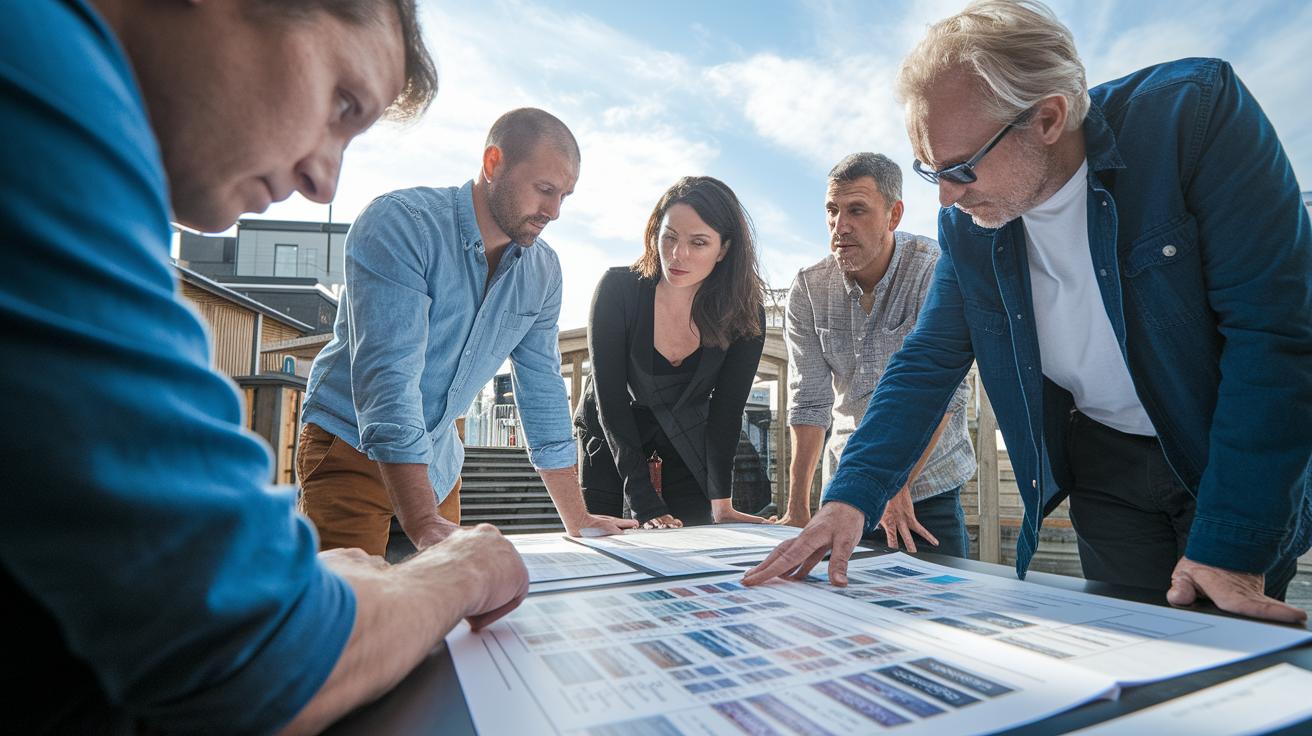
Getting a TV feature off the ground starts with mastering the basics in pre-production. This stage is all about setting up the cast, hiring the crew, locking in locations, and finalizing the shooting plan. Casting directors keep the process running smoothly, and scripts go through several rounds of revisions until the network gives the green light. Even the budget is carefully split to keep every episode on track.
- Wrap up script revisions and secure network approval
- Choose main actors who bring the characters to life
- Bring on a skilled crew and arrange background talent sessions
- Lock in locations that match the episode’s mood
- Create a detailed shooting schedule and set episode budgets
Solid pre-production builds on a strong studio filmmaking foundation. Starting with clear creative guidelines during the pitch phase helps everyone know what to expect. Experts in casting work closely with creative leads to pick actors who truly fit the story. Early idea pitching fires up innovative scene planning, making sure that all elements mesh together. This balanced approach lets teams deliver TV features that not only captivate audiences but also handle the fast pace of production with ease.
Production Techniques and Feature Execution in TV Productions
TV feature segments mix creative vision with strict time limits. Directors bring smart lighting, thoughtful set design, and strong camera work together to capture real, intimate moments. Supporting actors, stand-ins, and doubles work closely with the main stars, ensuring that scenes focus more on dialogue and character details than on explosive effects. This strategy helps keep the pace brisk while making sure every shot moves the story along.
| Technique | Purpose | Best Practice |
|---|---|---|
| Creative Set Design | Set the mood and tone | Keep props minimal yet effective |
| Refined Lighting | Highlight character moments and dialogue | Adopt steady, soft lighting setups |
| Cinematic Framing | Create dynamic visuals and perspectives | Mix shot sizes while keeping scenes clear |
| Efficient Directing | Manage fast-paced shoots | Plan shots clearly for quick execution |
Directors team up with crew members to ensure every part of the production supports the episode’s story. They quickly change things up during filming to balance different camera angles, all while keeping the focus on the characters and their conversations. This mix of careful planning and on-the-fly creativity lets teams deliver feature segments that captivate audiences even on tight deadlines.
Post-Production Features for TV Productions
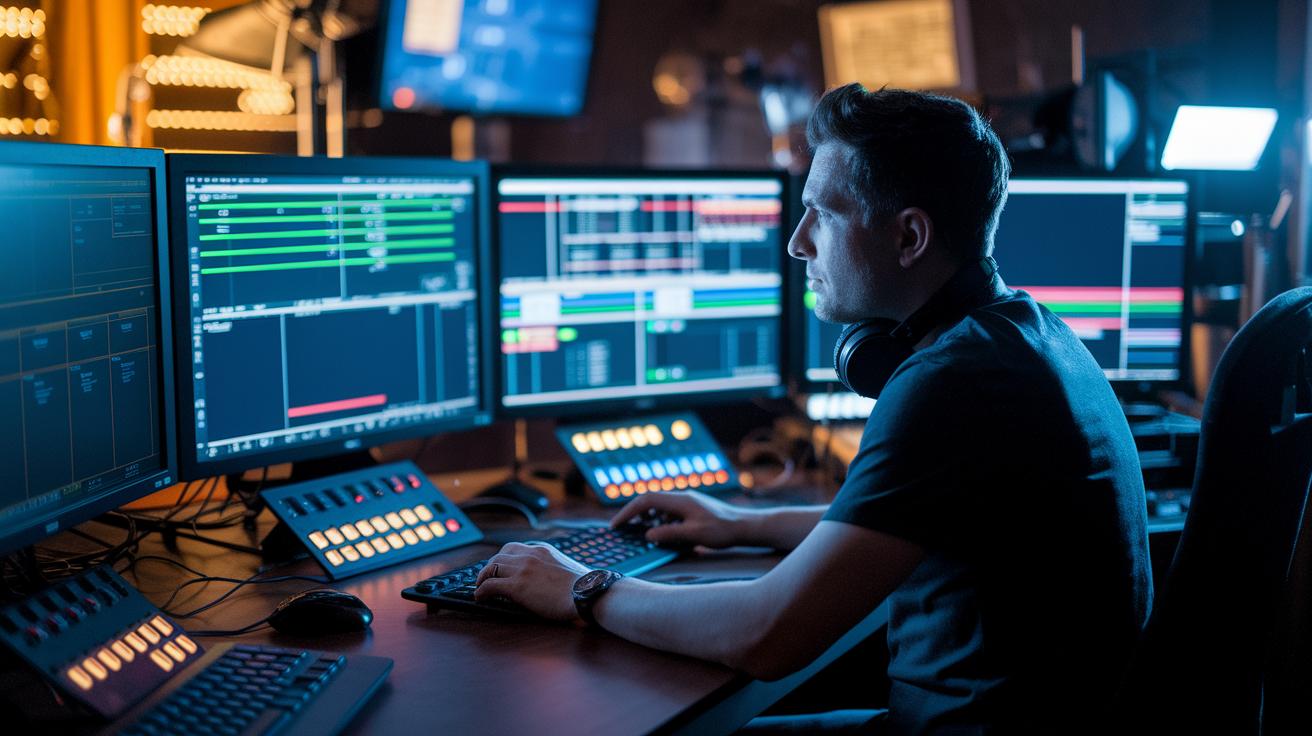
Post-production is when TV segments truly come alive. This stage brings all the elements together. Editors and sound designers team up to fine-tune cuts, balance sounds, and add visual effects that support the story.
The crew trims extra footage and mixes dialogue with music cues to boost each scene. They add visual effects carefully so the narrative stays front and center. Sometimes, quick pick-up shoots help fix any issues or add missing details.
Finally, the team polishes the final cut with color correction and subtle sound tweaks. This process turns raw footage into a polished show that meets modern TV standards and captivates viewers with its smooth storytelling.
Behind-the-Scenes Team Roles in Feature TV Productions
Producers, line producers, directors, casting directors, and background talent managers form the heart of TV feature segments. Producers shape the creative vision, while line producers handle day-to-day tasks. Casting directors and background talent managers find the perfect actors for every role. Every team member works under tight deadlines and makes fast, crucial decisions to keep the production moving.
Executive management steps in to oversee budgets, schedules, and network approvals. Their steady guidance lets creative teams focus on great storytelling rather than getting bogged down in finances or logistics. This leadership keeps the production on track and up to industry standards, paving the way for smart and efficient results.
Creative breakthroughs happen when writers, directors, and VFX teams join forces. They share ideas and overlap responsibilities, sparking innovative moments that turn regular scenes into captivating experiences. This teamwork gives each segment extra depth and energy, making the content truly resonate with viewers.
Audience Engagement and Feature Integration in TV Productions
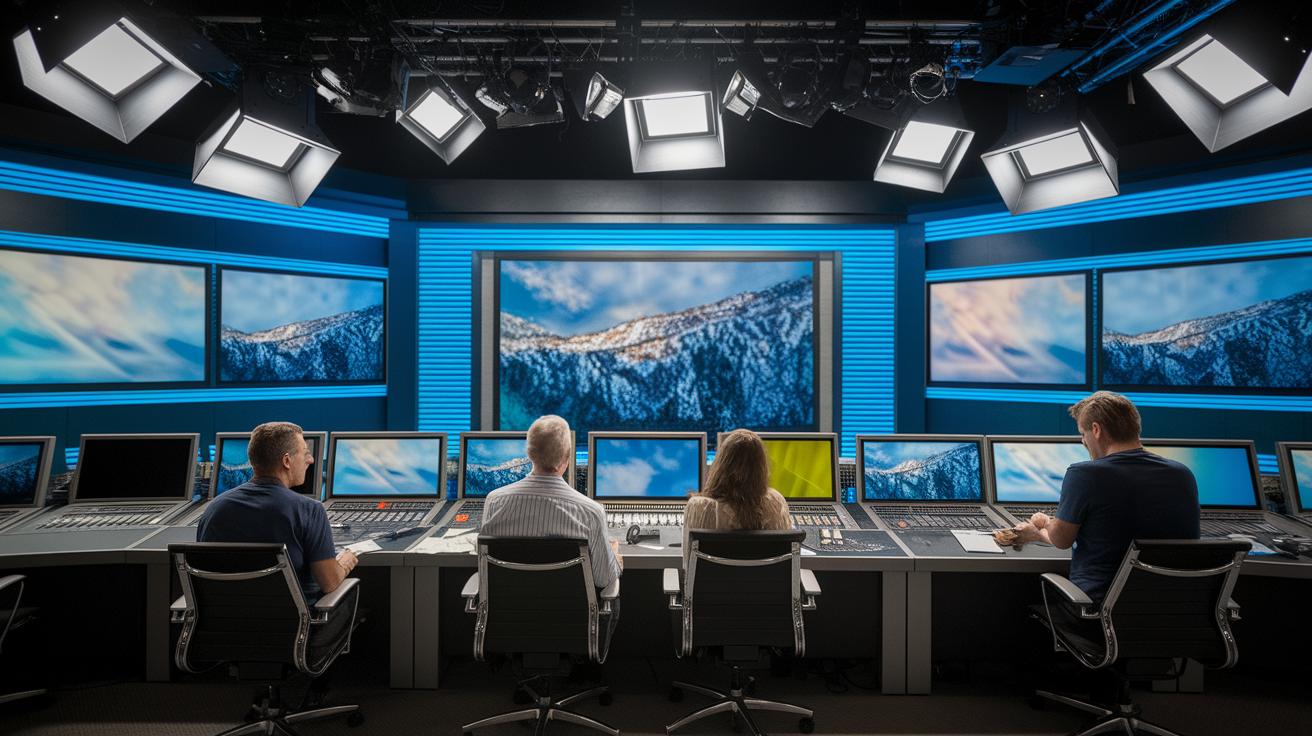
TV productions count on smart planning that hooks viewers right from the start. Producers shape feature segments to fit our binge-watching habits and weekly schedules. They use cliffhangers and tight pacing to keep you watching, while also scheduling segments to match ad breaks and platform needs. This careful setup means every scene is built to hit home, whether you're streaming online or watching traditional TV.
Live broadcasts add extra pressure. Technical teams jump in to fix issues quickly without missing a beat. By pairing real-time problem-solving with a well-planned feature set, TV productions create a smooth, engaging experience that holds your attention from start to finish.
Emerging Trends in Features on TV Productions
TV feature segments are taking on a new life, fueled by digital shifts and fresh tech trends. Today’s setups mix cinematic style with the small screen, giving shows a cool, film-like vibe.
Directors now use virtual set simulations and smart editing tools to bring digital environments to life. They recreate real-world settings that once needed big budgets, all while managing tight schedules with remote teamwork. Thanks to high-resolution formats, visuals are sharper than ever, drawing viewers right into the action.
Producers are also exploring interactive formats and cross-media ideas to connect with audiences. By sharing segments on social platforms and apps, they invite viewers to join the conversation with real-time feedback and user-driven storytelling. This blend of digital magic and movie-style flair is setting a whole new bar for TV productions.
Final Words
In the action of breaking down the intricacies of TV feature segments, we explored everything from pre-production planning and shooting techniques to the fast-paced post-production and team dynamics. The discussion covered production, technical challenges, and emerging trends reshaping the TV landscape. We broke the process into clear parts, making even complex workflows accessible. This guide on TV productions keeps a human touch while showing exactly how a robust feature on TV productions comes together. It leaves us excited about what tomorrow brings for creative, screen-worthy storytelling.
FAQ
What is a feature on TV productions list?
The feature on TV productions list highlights prominent segments in TV shows, organizing elements like narrative arcs, segment strategies, and production techniques for those interested in how TV features are structured.
What is a feature on TV productions reddit?
The feature on TV productions reddit refers to discussion threads where users share insights, opinions, and tips about the innovative aspects of TV production features and behind-the-scenes techniques.
What is a made for TV movies list?
The made for TV movies list compiles films created specifically for television, showcasing a range of genres and production styles that highlight the unique storytelling methods adapted for broadcast formats.
What does TV movie download mean?
The TV movie download process involves obtaining full-length, broadcast-designed films through legal digital channels, offering viewers a convenient way to access made-for-TV movies on-demand.
What is the list of television films?
The list of television films serves as a directory of films produced especially for TV broadcast, covering various genres and eras, and providing viewers with production and content recommendations.
What is the film TV app?
The film TV app offers access to streaming movies and TV content, combining ease-of-use with a broad selection of entertainment options that cater to viewers seeking both classic and contemporary titles.
Are TV shows considered films?
The question of whether TV shows are considered films addresses how TV shows differ from films by their episodic structure and production format, with TV shows often unfolding over multiple, connected installments.
What are the most watched made for TV movies of all time?
The most watched made-for-TV movies of all time are those productions that achieved high viewership, often due to compelling storytelling, significant promotional efforts, and a strong connection with audiences.
What is a feature film made for TV called?
The feature film made for TV is commonly called a TV movie—a full-length film specifically produced for television audiences that blends cinematic quality with the broadcast format.
What are the features of TV?
The features of TV include episodic storytelling, character-driven scenes, timely ad placements, and audience engagement elements that define the medium’s distinctive approach to narrative and production.
What are the elements of television production?
The elements of television production involve detailed pre-production planning, dynamic on-set filming, meticulous post-production editing, and refined sound design, each crucial for creating a quality TV project.
What are the roles in TV production?
The roles in TV production encompass producers, directors, casting directors, camera operators, sound technicians, and editors, with each member contributing their expertise to successfully bring a TV show to the screen.