

Ever thought film sets were just plain backdrops? Think again. Behind every shot is a mix of art and engineering that turns ordinary spaces into visual wonders. Every light, backdrop, and prop works together to pull you into the story. This feature uncovers how creative design and teamwork turn simple interiors into a movie magic zone.
Core Features on Film Sets
Film sets buzz with creative energy. They mix art, tech, and vision to bring stories to life. The art team leads the way, setting the stage with designs you can see in movies like Jurassic Park (1993) and Moulin Rouge! (2001).
Behind the scenes, teamwork makes the magic happen. The lighting and grip crews, evident in series like Squid Game (2021), work hand in hand with sound designers and foley artists to capture every sound perfectly. Generator operators and electricians make sure every setup has the power it needs. Each detail plays a part in making the production shine.
- set construction
- lighting systems
- acoustic treatments
- special-effects rigs
- scenic backdrops
- prop and dressing coordination
A film set is a carefully organized space where every piece supports the story. The set construction builds the physical scene. Lighting setups set the mood and spotlight important details. Acoustic treatments help keep dialogue and background sounds clear. Special-effects rigs add extra visual excitement. Scenic backdrops draw you into another world, and prop and dressing coordination makes everything look just right. All these elements blend design, technical skill, and passion to turn a director’s vision into a real and practical movie environment.
Architectural Features on Film Sets: Design and Scenic Arrangements
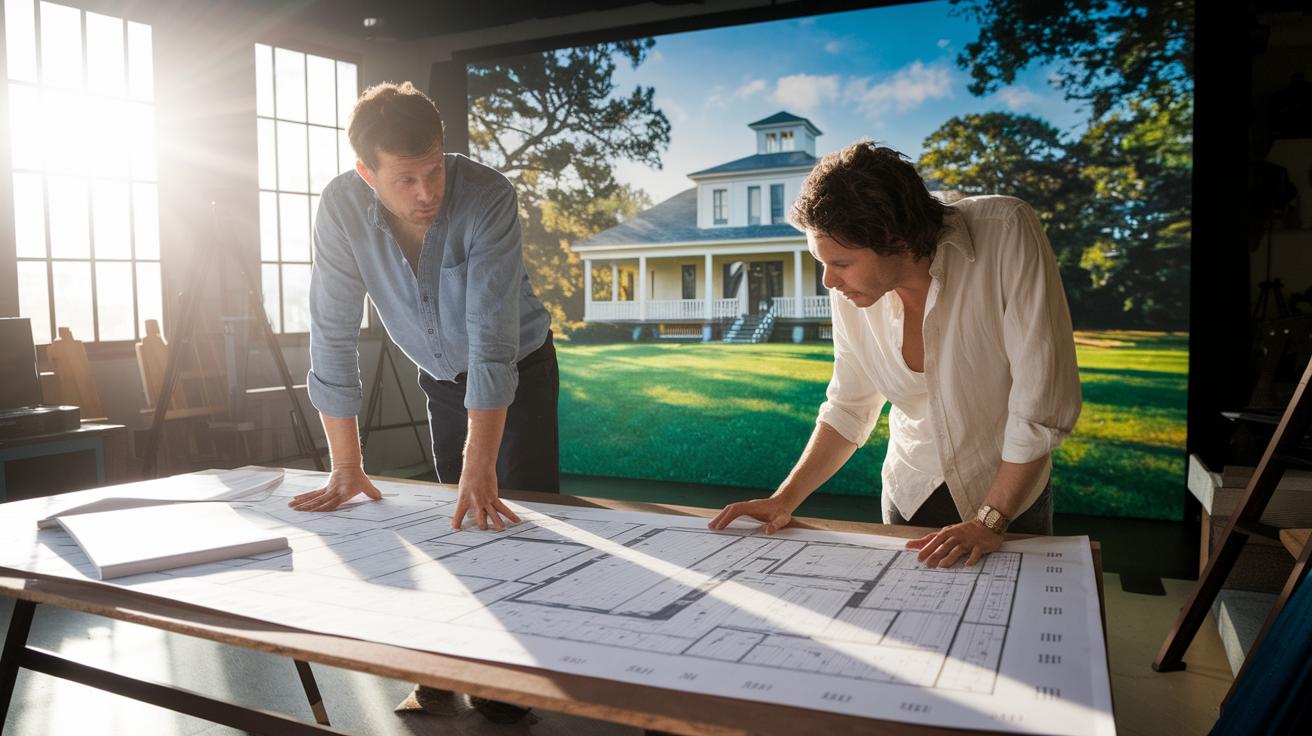
Production designers, art directors, and set decorators work hand in hand to create film sets that draw you into the story. They mix smart ideas with practical plans to build environments that boost the movie’s narrative. For example, the Tara plantation in Gone with the Wind (1939) shows how a large, detailed set comes to life when experts join forces. Every detail, from sweeping outdoor scenes to compact urban facades, fits the director’s vision while keeping a uniform look.
The scenic setup focuses on scale, flow, and lasting quality. Set decorators can install up to 200 lineal feet of street facades to recreate busy city scenes, while designers plan how actors and cameras move through the space. The sets are built tough to handle long shooting days and all weather types. Each piece is measured and arranged to feel both real and dramatic without stealing the spotlight.
Modular wall flats are constructed in one to two weeks, making it possible to quickly rearrange the set when scenes change. This fast, flexible method helps the crew keep the overall design fresh and perfectly tailored to production needs.
Lighting Technique Showcase on Film Sets
Gaffers and Best Boys team up to shape every scene's lighting. They use a key light to spotlight the main subject, a fill light to soften shadows, and a backlight to add depth and a touch of drama. In the moody 20 ft x 30 ft sets seen in Squid Game (2021), their careful work with light and shadows turns every shot into a visual delight.
Today’s modern gear makes these effects even more impressive. For example, LED panels (2 ft x 2 ft) come with color settings that can be adjusted between 2800 K and 6500 K using DMX control. This system lets crew members tweak light intensity and color shifts to nail the perfect mood for each shot.
Motion-controlled rigs also play a big role. They help create smooth transitions during camera moves, giving directors the freedom to experiment with creative angles and precise framing.
Technical Staging Aspects on Film Sets: Construction and Safety
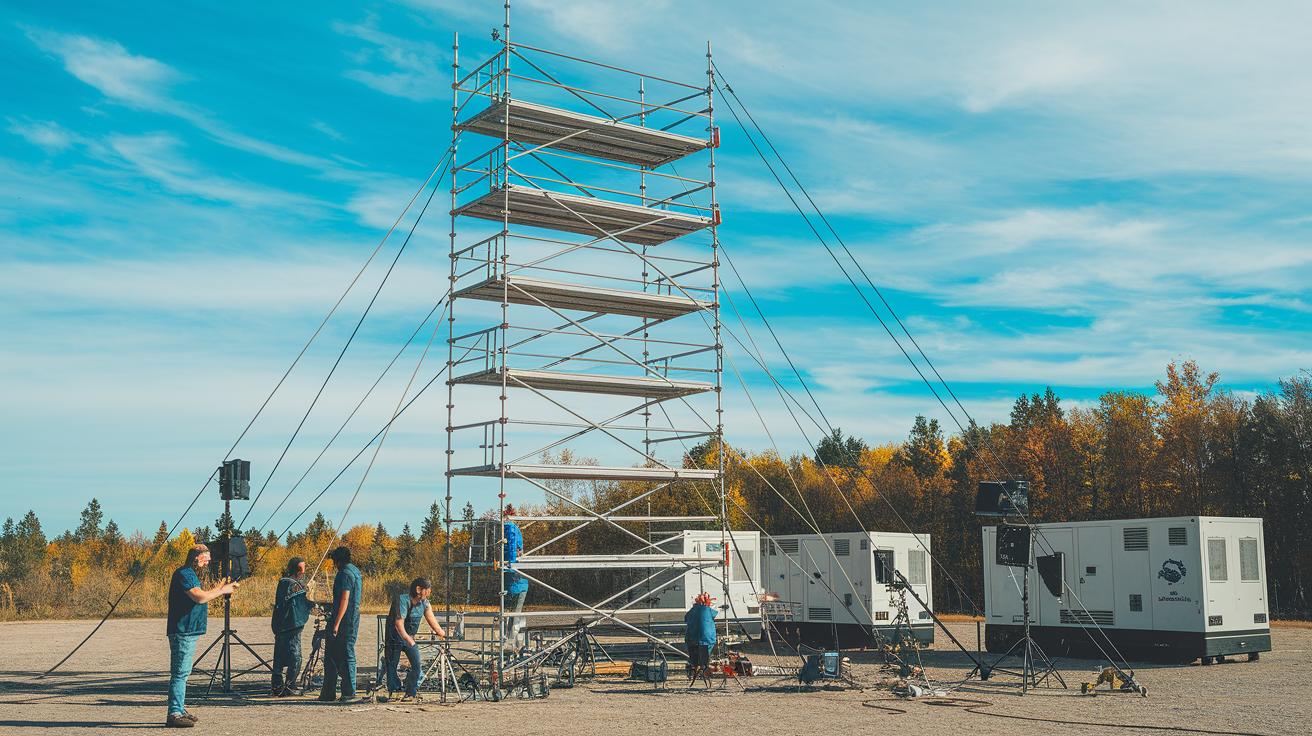
Key Grip and Electric teams are essential on film sets. The Key Grip builds scaffolding towers up to 30 ft high and manages rigging to hold heavy cameras and big props. Meanwhile, Electricians and Generator Operators work together to keep a steady power supply for lighting and special effects.
Set rigging is built to support both creative ideas and practical needs. The Key Grip secures camera rigs and mounting systems on towering scaffolds. At the same time, Generator Operators and Electricians run diesel generators (50 kW to 200 kW) that provide constant power. These generators are especially important in remote locations or when complex lighting causes power spikes. This teamwork makes sure that equipment like LED panels and motion-controlled rigs gets the power it needs, letting the crew capture smooth camera moves and creative shots without any hitches.
Safety Officers on set perform more than 15 checks for each build. They run load tests and inspect fall-protection gear to uphold strict safety rules. Their careful oversight secures every piece of equipment and keeps the crew safe during all stages of set construction.
Acoustic and Audio Integration Features on Film Sets
Soundstages get a major upgrade with NRC-rated acoustic panels that cover up to 1,000 sq ft. These panels help reduce echoes and control noise so dialogue comes through crystal clear. Designers and technicians team up during set planning to place the panels just right, boosting sound quality while keeping the room's natural vibe. This smart setup creates a clean audio backdrop that makes film scenes feel truly immersive.
Boom operators mix 10–20 ft booms with wireless lavaliers to grab every word on set. They adjust mic positions and angles to cut out background noise without cramping the actors' moves. By blending traditional boom techniques with modern wireless tech, dialogue stays sharp, synced perfectly with the scene’s mood, and supports the story with high-quality sound.
Foley stages use materials like concrete, gravel, and wood to create realistic environmental sounds. This careful design lets sound artists build authentic audio effects that bring each film scene to life.
Behind-the-Scenes Spotlight on Creative Set Arrangements

Prop, costume, and art teams join forces to build sets that tell the film’s story without saying a word. They add over 100 carefully chosen props in each scene. The costume crew picks outfits that match the set’s feel, and art directors select colors and textures to bring out each character’s personality. For example, one scene borrows a vibe from Blade Runner 2049 with meticulously chosen props that create a mysterious atmosphere.
Choosing props is both an art and a storytelling tool. Teams gather for brainstorming sessions to sift through items that look great and drive the narrative forward. They rely on detailed checklists and visual guides, ensuring that every object fits perfectly into the story. Each prop is carefully evaluated for its impact and relevance, so nothing extra makes it on set.
Digital previsualization has completely transformed how sets are planned. In fact, 80% of major productions use digital models to experiment with layouts before anything is built. This approach lets teams test different setups and lighting, saving time and sparking fresh creative ideas that make every film set look even more stunning.
Case Studies of Film Set Features in Iconic Movies
Big movies turn creative dreams into unforgettable experiences on their film sets. Filmmakers blend practical and special effects to create spaces that pull you right into the story. They design settings that not only support the narrative but also immerse you in the moment with clever, innovative staging.
| Movie | Feature | Year | Scale |
|---|---|---|---|
| Jurassic Park | Animatronic T-Rex | 1993 | 50 ft×20 ft exterior set |
| Moulin Rouge! | Windmill Construction | 2001 | 90 ft-diameter on Stage 2 |
| Squid Game | Multi-Level Dormitory | 2021 | 15,000 sq ft built set |
These examples show how a mix of imagination and hands-on skills takes movie magic to a whole new level. Jurassic Park makes you feel the thrill of danger with a lifelike T-Rex, while Moulin Rouge! dazzles with monumental designs that establish grandeur. Squid Game uses a sprawling dormitory set to heighten the tension perfectly. Each project is a testament to blending artistic vision with smart technical know-how to create moments that stay with us.
Final Words
In the action, we unraveled the dynamic interplay of art, architecture, lighting, technical staging, and audio. Each element plays a vital role on film sets, proving that every detail, from set design to behind-the-scenes creativity, matters in storytelling.
We also explored memorable case studies, highlighting how iconic productions brought their cinematic vision to life. This feature on film sets reminds us that the magic of movies starts with a blend of technical prowess and creative flair, setting a positive tone for what lies ahead in the world of film.
FAQ
Frequently Asked Questions
What are features on film sets?
The features on film sets refer to the coordinated elements such as set construction, lighting systems, acoustic treatments, special‐effects rigs, scenic backdrops, and prop coordination that together create immersive movie environments.
What are common film crew positions?
The film crew positions include roles like Production Designers, Gaffers, Key Grips, Sound Designers, Electricians, and Safety Officers, all of whom work together to ensure smooth, creative, and safe movie production.
How can I work on movie sets with no experience?
Working on movie sets without experience often begins with entry‐level roles, volunteering, or assisting as a production assistant, providing an opportunity to learn industry processes and build practical skills.
What is film set hierarchy?
The film set hierarchy outlines a clear chain of command from directors to individual crew members. This structure ensures that responsibilities are defined so production runs smoothly and efficiently.
What do features in film refer to?
Features in film can indicate both key production elements—like lighting, set design, sound, and props—and bonus content on DVDs, such as behind‐the‐scenes footage and director commentaries, enhancing the overall viewer experience.
What are examples of feature films?
Feature films are full‐length movies typically spanning 90 minutes or more, with notable examples including Jurassic Park, Moulin Rouge!, and narrative episodes in series like Squid Game.