
Ever notice how a script turns into a scene that lingers in your mind? This post spills the secrets of top directors and how they bring stories to life. We chatted with them, gathered rare quotes, and captured real on-set moments to show how they blend creative vision with technical skill. These director profiles reveal lessons in leadership and precision that turn simple ideas into cinematic magic. Read on to discover how passion and technique create films that stay with you long after the credits roll.
Setting the Scene: Behind the Scenes Profiles of Top Directors
Top directors are the magic-makers of the big screen. They mix brilliant acting, cool visuals, and tight storytelling to craft films you won’t forget. These leaders turn ideas into stunning reality, much like Richard Linklater does when he spins real-life moments into art.
This series gives you a peek behind the curtain. It shares rare looks into how directors work, showing how their own life stories shape every decision on set. Here, you’ll find down-to-earth snapshots of creative moments, clear technical insights, and genuine interviews that reveal what filmmaking is really about.
Expect to see:
| Aspect | What It Covers |
|---|---|
| Biographical Context | Background stories that shape a director’s vision. |
| Exclusive Quotes | Real remarks straight from the directors. |
| On-Set Anecdotes | Glimpses into everyday magic on set. |
| Technical Insights | Easy-to-understand breakdowns of film techniques. |
| Signature Style Analysis | Discussions of the unique marks directors leave on their films. |
| Legacy Impact | How their work continues to change filmmaking. |
These details go far beyond the surface. They show directors as both creative artists and strong leaders. By exploring each profile, you get simple, clear lessons on collaboration and precision that make every film special. Enjoy a closer look at the passion and craft that bring unforgettable scenes to life.
Behind the Scenes Profile: Alfred Hitchcock
Alfred Hitchcock transformed film storytelling with his knack for building suspense and a distinct directorial style. He led with a blend of creative vision and technical skill. His classics, Psycho and Rear Window, show just how masterfully he created tension. Every detail, from the chosen camera angle to the final edit, was designed to pull you into a world of excitement.
Hitchcock’s choices on set went beyond simple scene direction. They revealed pieces of his own personality. When he compared actors to cattle, it wasn’t just for shock value; it showed his tight control over the narrative and the cast. This mix of dry humor and firm discipline turned his film sets into hubs of creativity and subtle command.
On-Set Prank with Carole Lombard
On one memorable day, Carole Lombard played a prank by setting up a makeshift corral with calves named after the cast. This light-hearted stunt, inspired by Hitchcock’s notorious remark, highlights the director’s playful side. It also shows how he could channel on-set chaos into pure cinematic magic.
Crafting Suspense
Hitchcock built suspense through careful camera work, steady pacing, and smart editing tricks. His clever use of angles and shot compositions made every twist and turn feel real. Even today, filmmakers lean on his techniques, proving the lasting impact of his creative vision.
Meta Description: A behind-the-scenes look at Alfred Hitchcock’s innovative style and playful moments that redefined suspense in cinema.
Behind the Scenes Profile: Orson Welles
Orson Welles burst onto Hollywood's scene at just 25. He snagged a big studio deal that changed the game. His film Citizen Kane broke new ground with deep focus techniques and smart lighting. Welles took bold risks and pushed the limits of filmmaking, making his mark on every scene. His readiness to try new things set him apart from the rest.
Even with his creative breakthroughs, Welles ran into plenty of trouble on set. Creative clashes and project pressures made his work tough. Money issues added to the strain, showing that great art can come at a steep personal cost. These challenges only drove him to work harder and stick to his vision.
Deep Focus and Lighting Innovation
Welles used deep focus to keep every part of a scene clear and detailed. He mixed light and shadow in clever ways, even dragging film to give it an aged feel. His creative techniques still inspire directors who want to build a strong visual mood.
Studio Battles Behind the Camera
Welles faced fierce battles with studio execs. Disagreements over his creative ideas and tight budgets were a constant headache. These struggles reveal the delicate balance between artistic passion and industry demands.
Behind the Scenes Profile: Akira Kurosawa
Akira Kurosawa changed action movies with his innovative style and technical skill. In films like Seven Samurai, he introduced lively camera moves, bold lighting, and big, detailed sets. Every scene he directed shows his clear vision and strong commitment to blending story and spectacle.
With years of experience, Kurosawa reinvented on-set filmmaking. His careful eye for detail let him craft epic battles as well as tender moments with equal care. He broke new ground by using fresh techniques that still motivate directors today.
Dynamic Camera Movements
Kurosawa made camera work the heart of his storytelling. He used smooth tracking shots and wide pans to boost the action and add energy to each scene. These moves brought out both the intensity of battle and the subtle emotions of his characters.
Meticulous Set Design
He smartly blended natural light and stunning landscapes into his films. By designing expansive sets that did more than just serve as backdrops, Kurosawa turned each setting into a living part of the story. This approach set the mood and raised the dramatic tension throughout his movies.
Behind the Scenes Profile: Stanley Kubrick
Stanley Kubrick was known for his constant quest for perfection. He changed filmmaking by focusing on every detail. Kubrick often required many retakes to ensure each scene met his exacting standards. He got involved in every step of the process. From building sets and setting up lights to perfecting sound and editing, every piece fit together like a well-tuned puzzle.
His approach pushed his crew to go beyond their limits. The energy on set was disciplined and focused, even when things were unscripted. This commitment shines through in timeless films like The Shining and 2001: A Space Odyssey.
Key elements of his process included:
- Multiple takes
- Custom-built sets
- Collaborative storyboarding
- Soundtrack supervision
- Detailed actor direction
Kubrick’s strict standards created a unique work atmosphere. They changed the way films were made and raised the bar across every part of production. Countless retakes and careful tweaks turned each frame into a work of art. He used technical challenges as sparks for creativity, letting his sets tell vivid stories and pushing scene compositions to new heights. By expecting the best from actors and sound, he made sure every detail pulled viewers into the film.
Today, filmmakers still draw inspiration from his methods. His legacy remains a gold standard for quality and innovation in cinema.
Behind the Scenes Profile: Andrei Tarkovsky
Tarkovsky made every scene feel like a moving poem. On set, he worked with quiet determination, never taking shortcuts to capture life’s natural rhythm. He used long, unbroken takes that let actors and the surroundings really live in the moment. Every camera move and play of natural light was planned to pull deep emotions from the scene. He passed on overly polished setups in favor of raw, true expressions of feeling. His way of letting time and space unfold naturally turned filming into a meditative experience, with each frame carrying deliberate poetic weight.
He shot each scene with the care of an artist, reflecting his thoughts on time, loss, and spirituality. By mixing a slow, thoughtful pace with nature’s own design, he created visuals that invite you to feel, not just see. His method reshaped how films are made, turning technical work into a burst of emotion. With each carefully built scene, Tarkovsky gave us more than a movie. He opened a window into the heart of cinematic poetry.
Behind the Scenes Profile: Jean-Luc Godard
Jean-Luc Godard changed the way movies tell stories. His daring jump cuts in Breathless (1960) and his spontaneous guidance of actors turned traditional filmmaking on its head. He even made viewers think about the film process by showing parts of it on screen. His creative style pushed many directors to try new approaches and explore different forms.
Tales from his film sets show a director who loved surprises. Sometimes, he encouraged actors to improvise, which brought genuine emotion and unexpected humor to the scene. His live experiments with dialogue and scene setup kept each take fresh and full of life. These moments reveal a creative process that broke the rules and embraced bold, real collaboration.
Behind the Scenes Profile: David Lynch
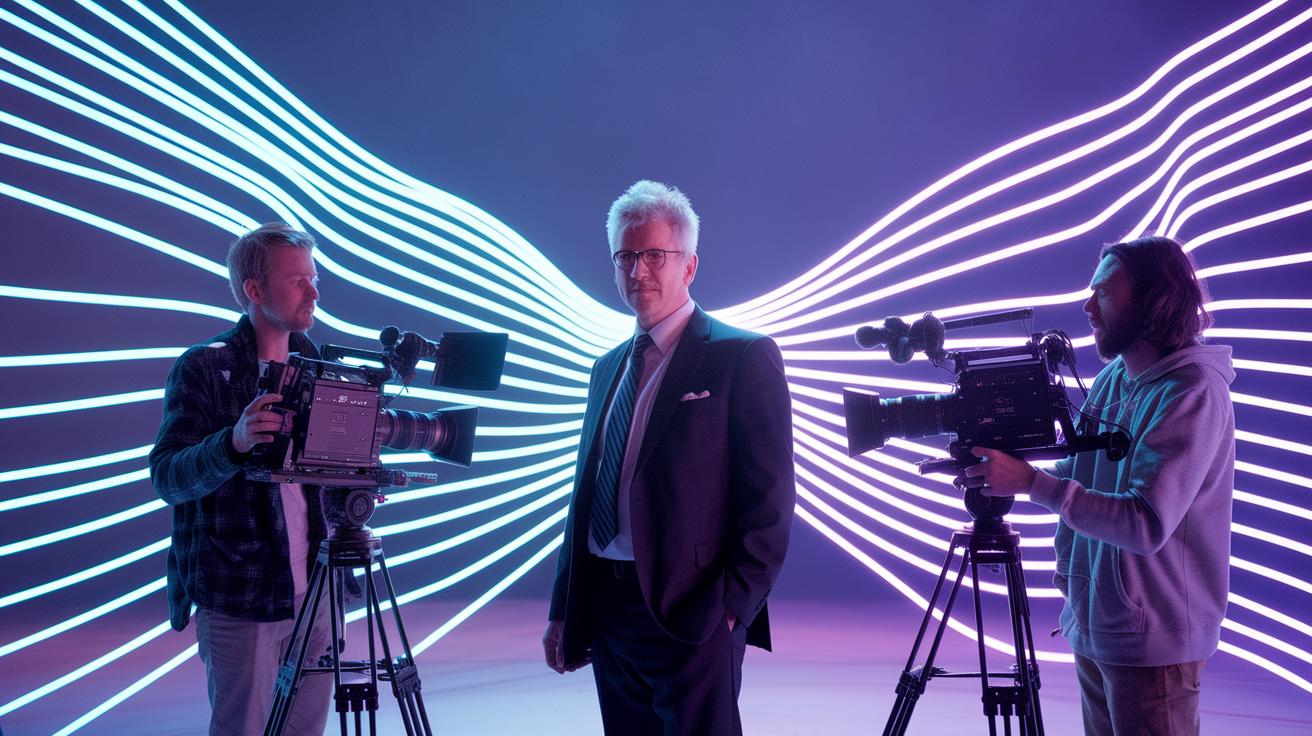
David Lynch creates a world where images and sound work together in a surreal, almost dream-like display. He teams up with his cinematographers to build scenes that burst with mystery and life. Using bold color choices, unique lighting, and detailed sound, he turns each frame into a rich experience. In films like Blue Velvet and Mulholland Drive, his mix of spontaneous flair and careful planning draws viewers into a space where the familiar blends with the uncanny.
Lynch also helps actors explore abstract material with a friendly yet precise style. He talks with them in clear, simple language that invites deeper exploration of their roles. By working closely with sound designers, he creates moods that highlight subtle emotions and unexpected twists. This creative teamwork transforms every set into a lab where genuine ideas and experimentation come to life.
Behind the Scenes Profile: Wes Anderson
Wes Anderson creates a unique look with careful planning and clear actor guidance. He sketches every scene in detail, making sure each shot fits perfectly with the story. His boards map out the balance and symmetry of every frame, and he shows actors exactly where to stand and move. This clear direction ties the miniature sets and soft pastel colors into a story that feels both deliberate and playful.
Anderson also mixes visual symbols with his story themes. He uses color, symmetry, and well-placed props to build a world that draws you in. Every detail, from the pastel shades to a quirky prop, adds to the film’s emotional heartbeat. By discussing and fine-tuning every element, he ensures that each film delivers a consistent and artistic look, earning him praise and multiple Oscar nods.
Behind the Scenes Profile: Quentin Tarantino

Quentin Tarantino changed modern cinema with a fresh writing style that goes beyond the usual storytelling. In his creative space, the script becomes a canvas for fun twists like non-linear timelines and mixed genres. He shifts the order of scenes, drops in unexpected time jumps and weaves different plotlines together. You’ll often see clever nods to pop culture and hidden easter eggs that spark curiosity among both filmmakers and fans. His work gives old tropes a new twist, inviting viewers to see screenplays in a whole new light, like putting together a puzzle where every piece matters.
On set, Tarantino is very hands-on with his cast and crew. He likes mixing scripted lines with actor improvisations to build his signature tone. Conversation flows freely as he encourages everyone to share their ideas and capture cool, spontaneous moments. This spirit of teamwork is built on respect and a focus on real feelings. With careful stage blocking and lively dialogue, Tarantino turns every take into a standout performance that reflects his bold vision and lasting impact on blockbuster filmmaking.
Behind the Scenes Profile: Ava DuVernay
Ava DuVernay is known for her unique, actor-first approach. She invites performers to shape their roles long before filming starts. For instance, in Selma, she organized rehearsals where actors could experiment with stage blocking and fine-tune their emotional arcs.
Her style centers on open conversation and smart teamwork. Ava listens to ideas from everyone on set, ensuring that every detail, from camera angles to lighting, truly supports the story.
Her leadership is all about inclusion and collaboration. She frequently meets with technical teams to align the creative vision with real-world production needs. This hands-on method creates a supportive space where every crew member helps deliver powerful performances. The result is films that are lively, authentic, and a breath of fresh air in studio leadership and creative direction.
Final Words
in the action, this piece took us deep into the world of film direction. We explored directors' unique methods, from candid on-set moments to their technical setups. Short readings showed biographical context, exclusive quotes, on-set anecdotes, technical insights, signature style analysis, and legacy impact. These behind the scenes profiles of top directors remind us that creativity and passion are at the heart of every film set. The insights shared give us a warm window into their creative universe, leaving us inspired and eager for more film magic.
FAQ
Who are the top 5 directors of all time?
The question about the top 5 directors of all time suggests that critics often highlight names like Alfred Hitchcock, Orson Welles, Stanley Kubrick, Akira Kurosawa, and Quentin Tarantino for their groundbreaking storytelling and technical prowess.
Which director has a feet kink?
The question regarding which director has a feet kink points to Quentin Tarantino, as film trivia often notes his recurring use of feet imagery in his movies, a stylistic choice that has sparked much discussion.
Who are the big 5 in the film industry?
The question on the big 5 in the film industry typically refers to influential filmmakers such as Alfred Hitchcock, Orson Welles, Stanley Kubrick, Akira Kurosawa, and Quentin Tarantino, whose innovative work has set cinema standards.
Who is the famous sexploitation director?
The question about the famous sexploitation director highlights Russ Meyer, known for his provocative films featuring bold sexual themes and a distinct, unconventional style that left a lasting mark on the genre.