

Ever imagined that future movies might be watching you back? Technology in entertainment is changing the game. Streaming services like Netflix and Disney+ are stepping up, not just by offering 4K, but by pushing picture quality to even sharper views. This means your favorite films and shows are coming to you in ways that feel more alive than ever.
These innovations are designed to give you a fresh viewing experience, whether you’re watching at home or scrolling through your social feeds. The tech behind the magic is setting the stage for a whole new way to enjoy entertainment.
A Comprehensive Overview of Technology Trends in the Entertainment Industry

Consumer habits and quick-changing technology are shaking up entertainment. More content than ever floods platforms, leaving viewers scrambling to find quality shows and movies. Fans are feeling subscription fatigue as they juggle services like Netflix, Spotify, and HBO Max. Today, streaming is king, with many choosing on-demand watching over traditional TV schedules.
Tech breakthroughs are at the heart of this digital shift. Big players like Netflix and Disney+ are testing out ad-supported tiers, giving viewers less-expensive options and a taste of new revenue ideas. New subscription plans are forcing companies to rethink how they serve content. Plus, as 4K UHD becomes standard and 8K looms on the horizon, the push for higher-quality viewing keeps infrastructure costs climbing.
Social media blends into the mix, too. By pairing smart data insights with creative storytelling, platforms are crafting personalized viewing experiences that help cut through the overload. With better recommendation systems, faster streaming, and fresh ad formats, entertainment is on the brink of a major transformation. Industry leaders are quick to adapt and invest in tech that meets modern viewing habits while tackling rising global challenges.
AI Content Creation and Machine Learning in the Entertainment Industry
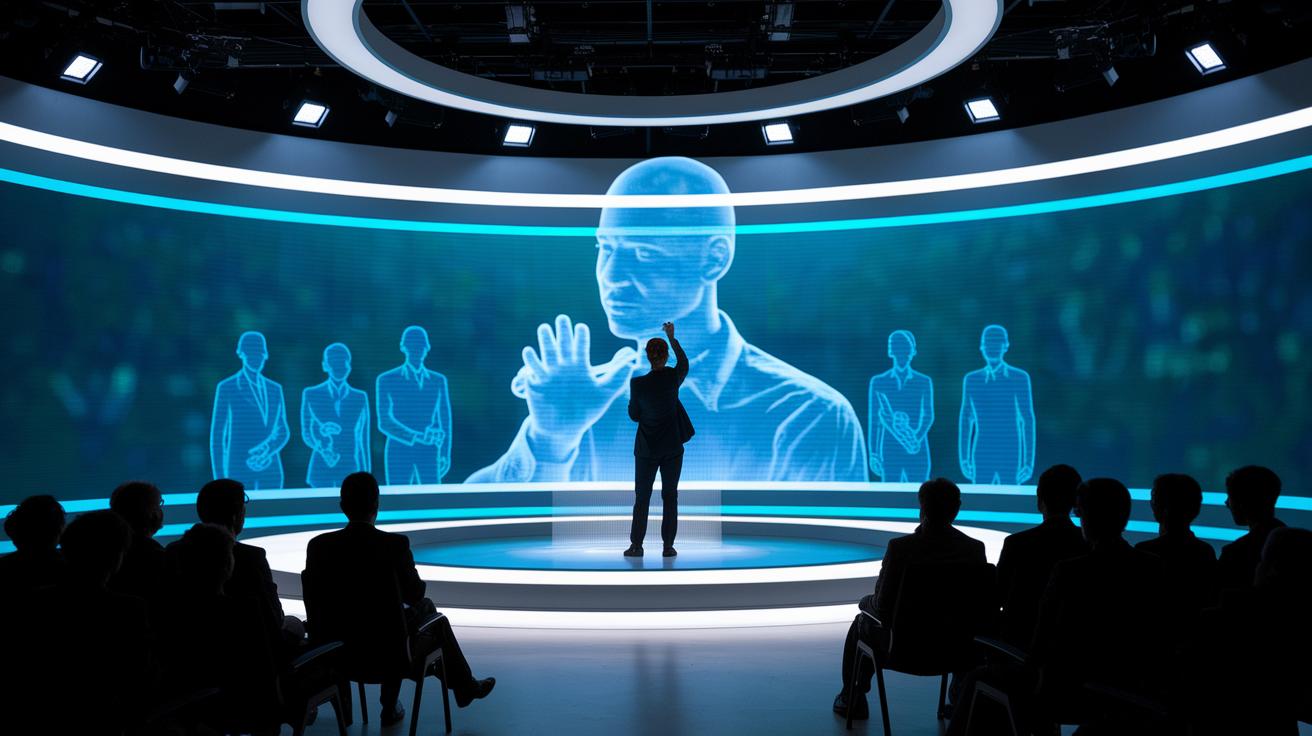
AI is shaking up creative workflows and transforming the way production happens. Today’s tools can whip up scripts, dialogue, and even soundtracks. Generative AI lets storytellers explore different narrative paths in seconds. Imagine a screenwriter who tweaks a hero’s monologue on the fly based on what the audience feels right then.
Behind these innovations, smart machine learning predicts what audiences will enjoy before a project even launches. Advanced recommendation engines analyze real-time data to offer personalized suggestions that boost viewer satisfaction and engagement. A streaming service, for instance, might adjust its home screen based on data insights updated every second.
Editing has become a breeze thanks to automated, smart image manipulation that cuts down on time-consuming post-production tasks. Traditional visual effects now run faster and cost less with AI-powered processes. This saving lets studios invest more in creative projects, while predictive analytics helps them schedule releases and tailor marketing for the best impact.
A recent report on AI in entertainment shows the market could leap from $25.98 billion in 2024 to $99.48 billion by 2030. This growth underscores how deeply machine learning and AI content tools are merging creativity with technology to captivate audiences.
Immersive AR/VR and Metaverse Experiences in the Entertainment Industry
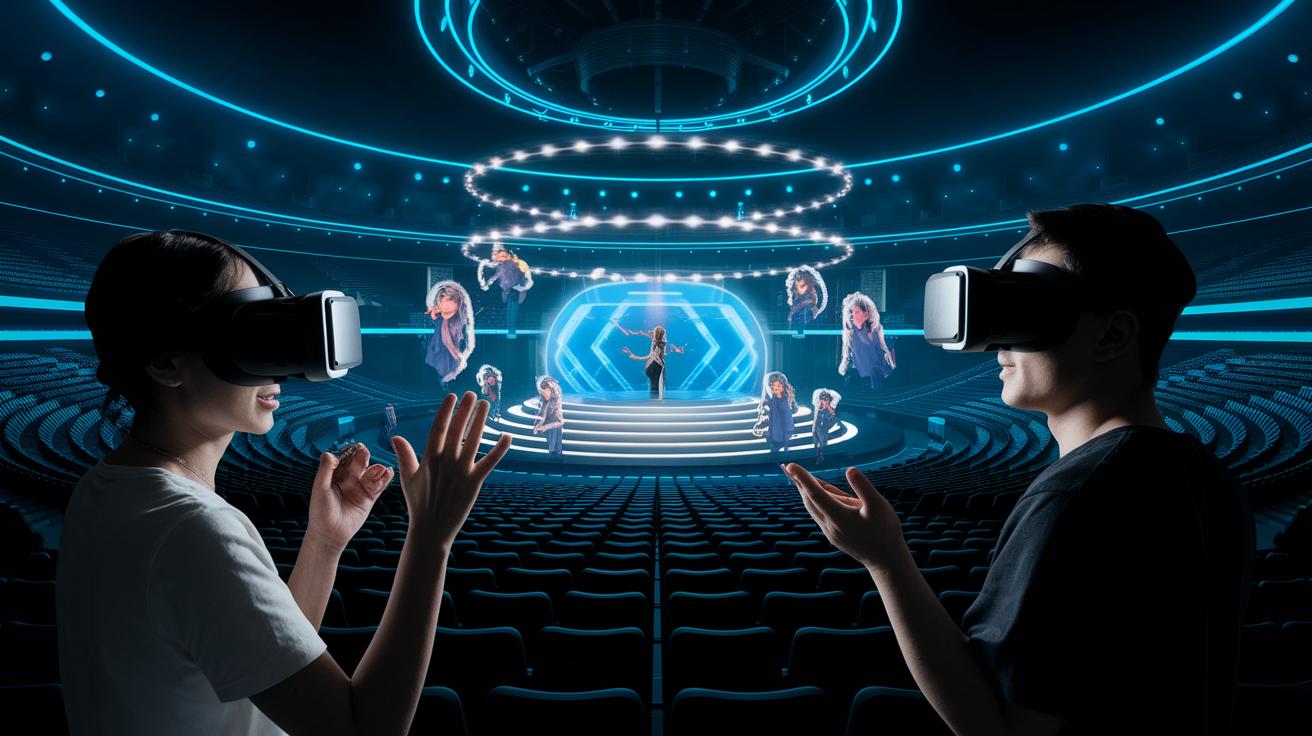
Augmented and virtual reality are changing how we enjoy entertainment. They pull you straight into the action. Picture attending a virtual concert where your favorite artist performs live while digital avatars of fans join from every corner of the globe. With VR, you can dive into a 360° movie and feel like you’re in the middle of the scene.
AR is adding a whole new spin to live events. It layers real-time stats over sports broadcasts, making every play feel more interactive. Meanwhile, metaverse events create lively digital spaces where fans gather, experience the buzz of a real crowd, and explore fresh digital worlds.
Powered by AI and real-time adjustments, these technologies boost how real and comfortable the experiences feel. Mixed reality even blends digital visuals with the real world to create seamless, intuitive moments. Virtual events are becoming a key part of major brands’ and entertainment companies’ offerings, blurring the line between screen magic and live interaction. This fresh wave of tech is making every event feel uniquely made for its audience.
- Virtual concerts with live audience avatars
- 360° film screenings in VR theaters
- AR-enhanced sports and live broadcasts
- Mixed reality gaming arcades
- Branded virtual event platforms
Innovations in Streaming Platforms and Cloud Gaming within the Entertainment Industry

Streaming services are changing fast as more people shift away from traditional TV to on-demand content. Millennials and Gen Z lead the way, choosing platforms that let them watch their favorite series and live events whenever they want. Consumers now demand flexibility and a top-notch experience. To meet these needs, providers are investing in smart streaming technology that adjusts quality in real time, offering crisp 4K, and soon even 8K, content across all internet speeds.
Cloud gaming is also making a big splash. Interest in this area has climbed 10 times in the past five years. With cloud gaming, players can enjoy games hosted on remote servers without owning expensive gear, which means anyone can jump in using any device. The rollout of 5G helps too by bringing ultra-low delays and high-speed connections, essential for smooth gaming and live streams. Plus, ad-supported subscription options are broadening access to premium content. Podcasting is riding this trend as well, with networks like Wondery seeing search interest grow by 191% recently.
| Innovation | Description | Impact |
|---|---|---|
| Cloud Gaming | Stream games from remote servers | More devices can play, lower hardware costs |
| Adaptive Streaming | Automatically adjusts video quality | Smoother 4K/8K playback, less buffering |
| Ad-Supported Tiers | Cheaper subscription options with ads | More viewers can get premium content |
| 5G-Enabled Features | Ultra-low latency and high speed | Better live interactions and mobile streaming |
Interactive and Personalized Viewing Experiences Powered by Technology Trends in the Entertainment Industry

Technology is reshaping our entertainment experience. Thanks to AI-powered recommendation tools that work in real time, viewers get a mix of familiar favorites and exciting new shows perfectly matched to their tastes. This smart customization keeps everyone engaged and ready to explore more.
Social media is now a big part of the fun. Platforms bring live polls and Q&A sessions right into virtual concerts, letting the audience share their thoughts as the action unfolds. Creators even use instant feedback to tweak their shows on the spot, making each broadcast a true team effort.
Adding a playful twist, gamification elements like badges and leaderboards have stepped in to boost viewer loyalty. Fans can even support their favorite creators through crowdfunding, creating a closer bond between artists and their audience. All these interactive touches and smart tech are changing how we enjoy our favorite media.
Meta Description: AI-driven personalization and social interactivity transform the media experience, making entertainment more engaging and fun.
Technology Trends Transforming Content Production and Distribution in the Entertainment Industry

Cloud editing and digital production tools are speeding up post-production like never before. Studios now depend on smart software, such as professional video production tools, to handle everything from assets to creative tweaks. These systems let teams make real-time adjustments from anywhere, cutting delays and keeping up with the tough quality standards of 4K and the rising trend of 8K.
Virtual studios and remote collaboration tools are erasing distance barriers. By using connected production tools and simple communication systems, teams work together smoothly across different regions. This way of working not only boosts efficiency but also sparks creativity by linking on-set and off-site talent. With real-time updates, these platforms help maintain quality every step of the way.
Blockchain smart contracts are changing the way revenue flows by automating royalty payouts and strengthening digital rights management. These tools work with advanced asset management systems to track content ownership and support secure, global distribution. When combined with cloud editing and remote collaboration tools, blockchain cuts down on admin work and ensures creators get paid on time. This mix of technology is ready to meet the growing need for top-quality, scalable content around the world.
Future Predictions for Technology Trends in the Entertainment Industry
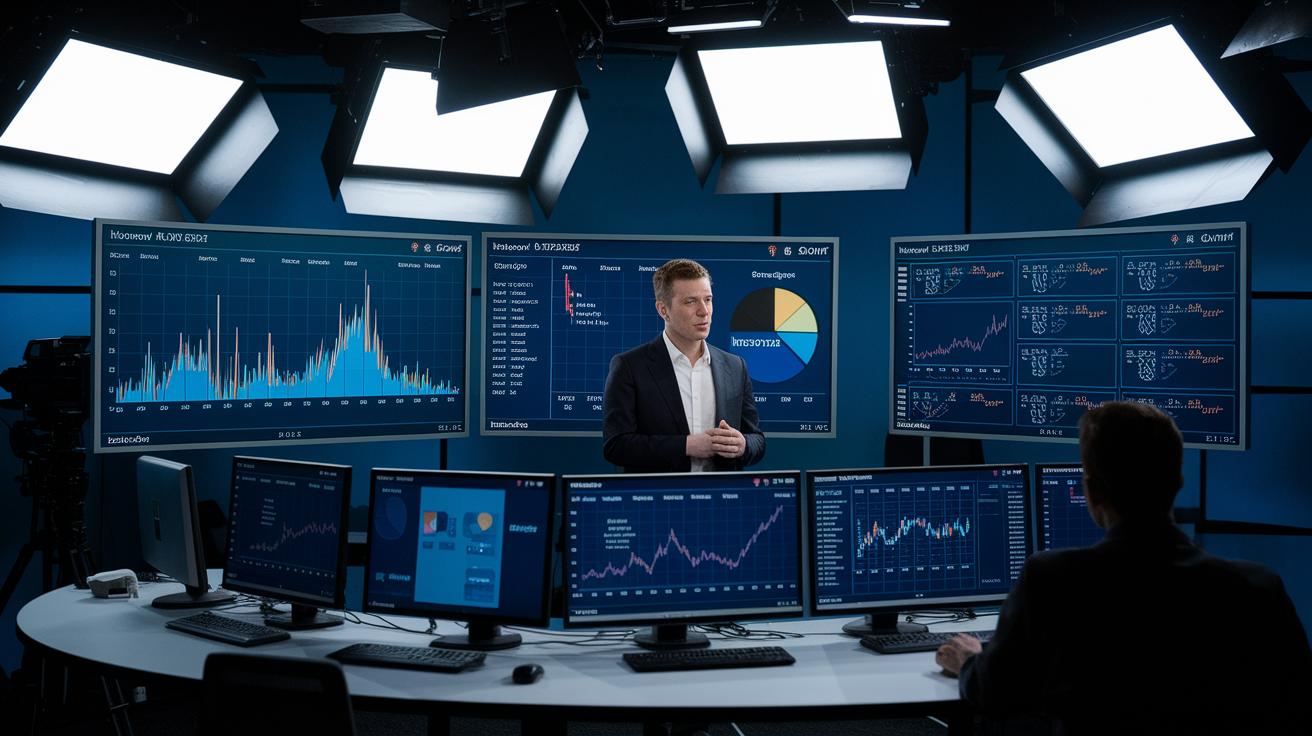
AI analytics are set to forecast what audiences will love even before the script is written. Experts say smart prediction tools, which analyze live data and social trends, will soon guide how content is made. Some observers believe early use of edge computing in media will boost broadcasts by speeding up processing and improving live interactions.
Big companies coming together with mergers and alliances will boost tech investments. This move will open up opportunities for new smart home features and IoT (Internet of Things) integration, blending everyday life with entertainment. In addition, advanced data analysis and ultra-high definition streaming will push the market to deliver content that feels both personal and immersive.
Industry pros also see the metaverse changing the game for fan engagement. In virtual settings, fans will be able to join live events and explore digital worlds. At the same time, eco-friendly production practices powered by AI will help reduce energy use on sets. One insider noted, "Edge computing and holographic displays are more than just futuristic buzzwords. They will change how we create and enjoy entertainment over the next decade."
In short, predictive analytics, smart environmental monitoring, and next-gen broadcasting will work together to shape a more efficient and engaging entertainment landscape.
Meta Description: AI-driven trends are reshaping entertainment with smart analytics, immersive metaverse events, and eco-friendly production practices.
Final Words
In the action, the post breaks down streaming breakthroughs, AI content creation, and immersive AR/VR experiences. It examines how enhanced digital production and interactive viewing drive the evolution of content across devices. Each section highlights the efforts to make entertainment more engaging and tailored to today's audience, addressing challenges like content overload and infrastructure needs. With technology trends in entertainment industry initiatives making entertainment smarter and more enjoyable, exciting changes are ahead for fans of all kinds.
FAQ
What are the technology trends in the entertainment industry in 2021 and 2022?
The technology trends in the entertainment industry in 2021 and 2022 include AI-driven content creation, immersive AR/VR experiences, adaptive streaming, and enhanced digital production tools addressing challenges like subscription fatigue.
What information can a “technology trends in entertainment industry pdf” provide?
A technology trends in entertainment industry pdf typically offers detailed overviews of digital transformation, emerging platform innovations, immersive media applications, and key data on shifting consumer behaviors in the industry.
What do entertainment trends in 2025 and Deloitte Digital Consumer Trends 2025 indicate?
The trends for 2025 reveal growing personalization through real-time analytics, immersive metaverse experiences, social media integration, and smart production practices, with Deloitte Digital Consumer Trends highlighting rapid shifts in viewer expectations.
How are digital media trends reshaping the entertainment landscape?
Digital media trends reshape the entertainment landscape by enhancing streaming platforms, powering personalized recommendations, integrating social sharing features, and using real-time data analytics to drive user engagement and content discovery.
What emerging trends are impacting live entertainment and overall media innovation?
Emerging trends in live entertainment include virtual concerts and AR-enhanced broadcasts, while media innovation now focuses on AI-generated content, adaptive streaming technologies, and interactive events that boost viewer participation.