

Have you noticed how your favorite outfits hit the shelves almost overnight? High-end trends quickly become everyday picks. Sales numbers have shot up, pushing brands to roll out fresh styles at lightning speed. Fast production and online sales mean you can snap up stylish, affordable looks in no time. This article breaks down how speedy releases, mini-seasons, and smart technology are changing our closets and sparking a new buzz in fashion.
Fast Fashion Industry Trends: Energizing Style
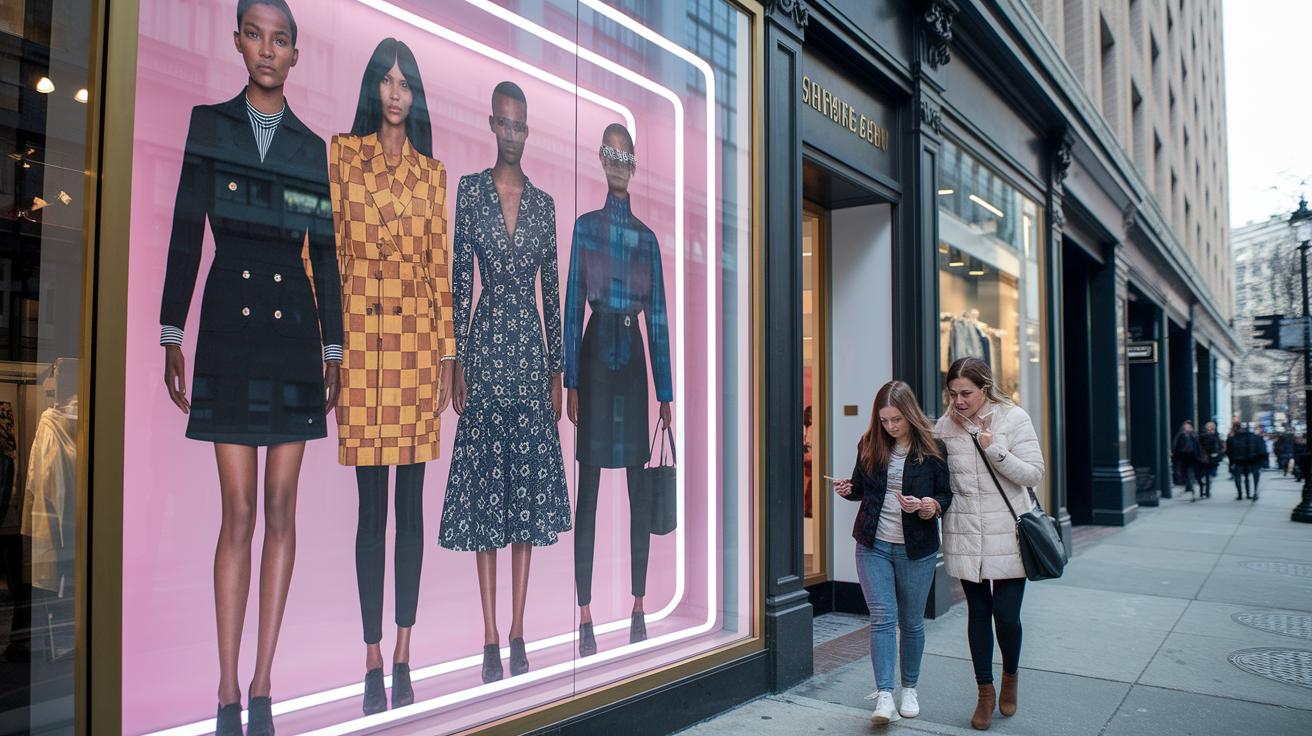
Fast fashion is shaking up the world of clothing by turning high-end runway looks into affordable options. Today’s market is worth $30 billion, and experts say it could grow to $40 billion by 2025. Big names like Zara, H&M, Forever 21, and Shein keep the energy high by constantly launching new styles that mirror today’s top trends.
The industry is growing fast thanks to fresh retail ideas and a shift in what shoppers want. With digital shopping booming and quick production cycles, brands race to bring new, eye-catching collections to customers all the time. This fast pace appeals to people who love variety and instant access to the latest fashions.
- Speed-to-market production strategies
- Expansion of micro-season cycles
- Growth of digital channels
- AI and data analytics to predict trends
- A move toward sustainability and resale options
These trends come together to change the entire game. Quick production means designs hit the shelves fast, while micro-season cycles keep things exciting with frequent new collections. Digital channels let us shop anytime, anywhere, and AI helps spot the next big style trend. Plus, more brands are focusing on sustainability, giving shoppers eco-friendly and resale options. This mix of rapid innovation, constant change, and ethical choices keeps fast fashion a top player in the global apparel scene.
Fast Fashion Industry Trends: Market Size and Forecasts
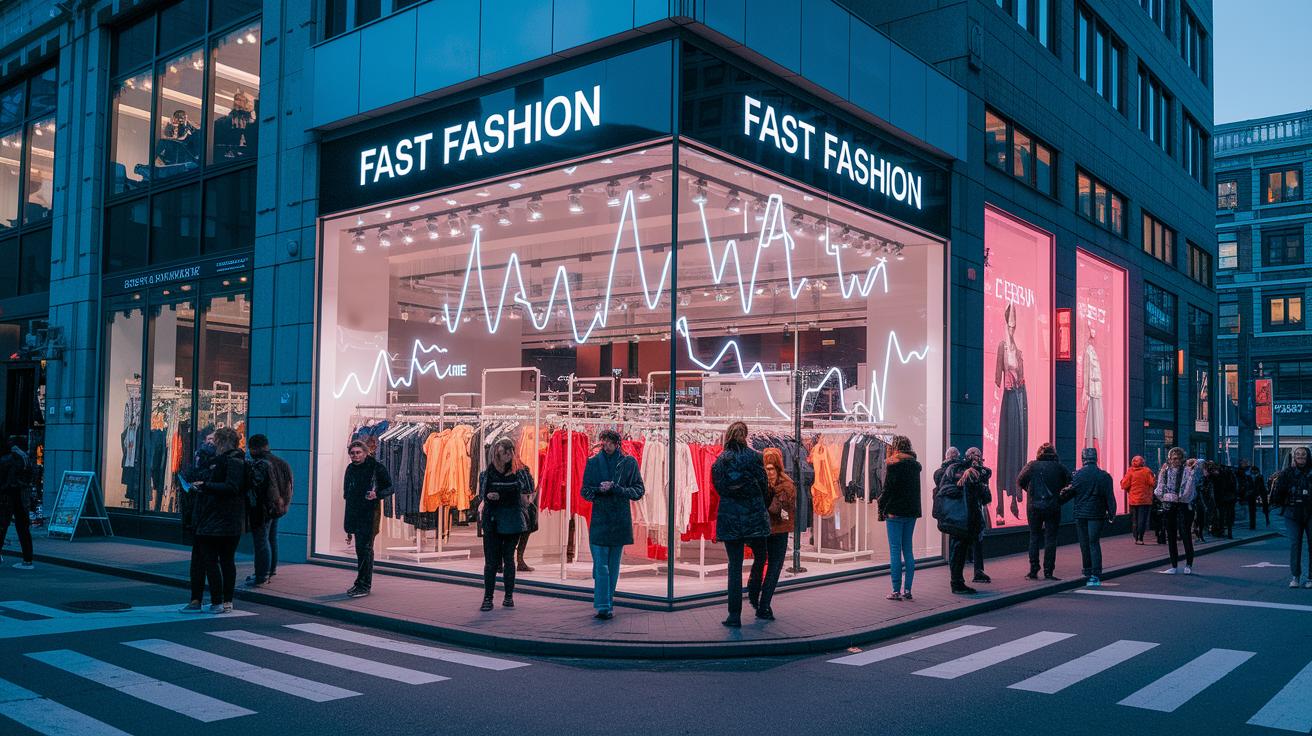
Meta: Fast fashion's market growth and digital boost are shaping the future of retail.
Fast fashion is shaking up the clothing world with rapid growth shown in recent numbers. In 2023, the market was worth $30 billion and is expected to reach nearly $40 billion by 2025. At the same time, fashion e-commerce hit $672 billion in 2023, with smart digital upgrades set to drive even more sales. Social commerce made a big leap, growing by $300 billion between 2022 and 2023, and experts predict it could hit $2.9 trillion by 2026. Retailers are also looking to chatbots for a boost in spending, which shows just how digital this space is becoming.
| Year | Market Segment | Value |
|---|---|---|
| 2023 | Fast Fashion Market | $30 billion |
| 2025 | Fast Fashion Projection | Nearly $40 billion |
| 2023 | Fashion E-Commerce | $672 billion |
| 2026 | Social Commerce Forecast | $2.9 trillion |
These numbers show that fast fashion is a major player in retail, powered by better online channels and changing shopping habits. With strong market figures and digital growth on the rise, the fast fashion trend looks set to keep making headlines.
Accelerated Clothing Cycles in Fast Fashion Industry Trends

Once, designers had the luxury of two main seasons, spring/summer and fall/winter. It gave trends time to settle in and let people enjoy each collection. Today, that model is long gone. Brands now roll out as many as 52 mini-collections a year, dropping something new almost every week.
Big names like Zara and H&M stick to weekly releases while ultra-fast companies like Shein turn a design from sketch to shelf in under seven days. This speedy process means shoppers can always find the latest trends without missing a beat.
Consumers love the constant flow of fresh styles. With a new look around every corner, the thrill of instant fashion keeps everyone excited.
Digital Transformation in Fast Fashion Industry Trends
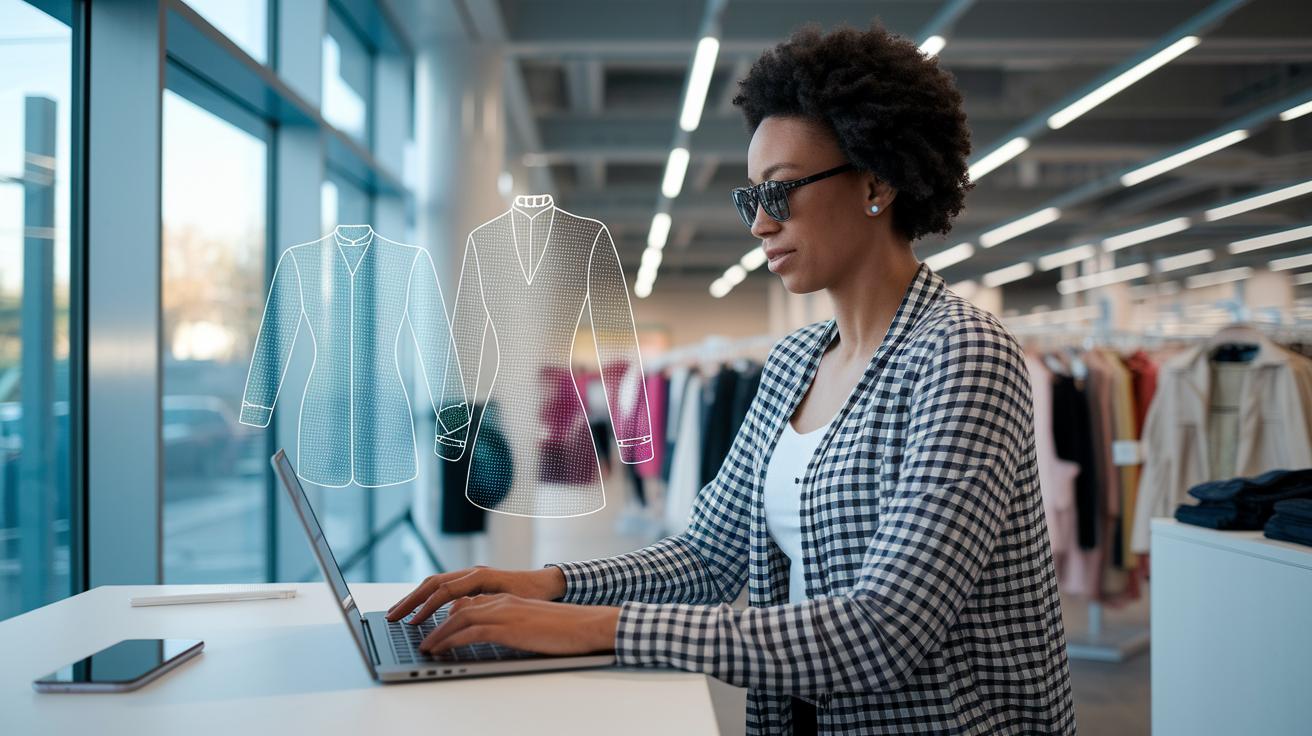
Online shopping is quickly becoming the go-to way for finding and buying clothes. Retailers are pouring money into virtual try-on tools that let you see how garments fit before you buy them. Experts say this technology will grow by 25.2% each year, reaching a market value of $15.43 billion by 2028. With digital platforms on the rise and chatbots driving $142 billion in retail spending in 2024, shoppers enjoy a smooth experience that blends in-store and online benefits.
Artificial intelligence and machine learning are now key to spotting trends and creating personalized shopping experiences. These smart systems sift through huge amounts of data to predict what’s next and recommend styles that match your taste. This technology not only helps brands keep up with fast-changing trends but also fine-tunes inventory so that the right items appear online at just the right time.
New applications are also merging digital and physical experiences in exciting ways. Big names like H&M and Ralph Lauren are using smart mirrors, and innovative smart clothing with built-in sensors is adding interactive elements to your wardrobe. This fresh approach, often called a phygital experience, makes shopping more engaging and fun.
Sustainability Challenges in Fast Fashion Industry Trends
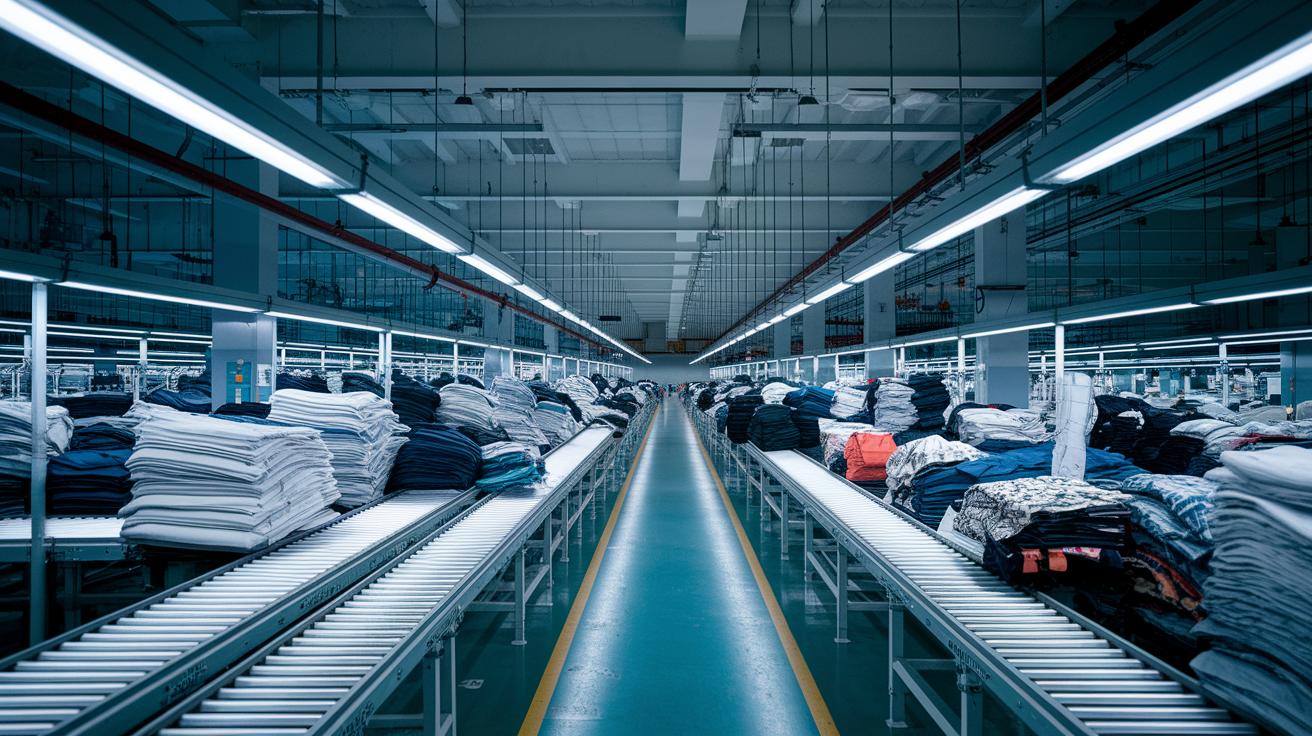
Fast fashion is responsible for 10% of the world’s carbon emissions, pumping out 1.2 billion tons of CO₂. It also uses enough water to serve 5 million people. This massive resource use shows just how tough the environmental impact can be when clothes are quickly made and quickly discarded.
The industry depends largely on polyester, which accounts for 60% of clothing output. This reliance boosts microplastic pollution that clogs waterways and harms marine life. Because garments don’t last long and production runs are high, a lot of waste builds up and puts pressure on waste management systems everywhere.
More brands are starting to tackle these challenges. Some are boosting supply chain transparency and working to cut down production emissions. Still, only 6% of big brands share any progress on these efforts. Zara, for example, is aiming to source all of its linen and polyester from preferred suppliers by 2025 and has introduced Zara Pre-Owned to promote reusing garments. Resale platforms like ThredUp, Vinted, and Depop are also becoming popular as they help extend the life of clothes. Together, these steps hint at a future where fast fashion might balance quick trends with kinder, more sustainable practices.
Consumer Behavior and Social Commerce in Fast Fashion Industry Trends

Digital channels have become lively stages where fast fashion brands chat with shoppers in real time. Brands are trying out live events and interactive posts that encourage quick actions with flash offers shared through stories and reels. For example, a brand might launch a flash sale on Instagram live, sparking a fast rush from viewers.
Shoppers want brands to reflect their personal style without messing up their social feeds. Retailers are tweaking their recommendation systems based on real-life interactions instead of just numbers. One brand even offered bespoke style tips during a digital event, sparking genuine excitement.
Influencer-led launches now play a big role in triggering impulse buys in the fast fashion world. Social media stars give their followers first looks and behind-the-scenes previews that tap right into spontaneous shopping urges. For instance, when a trusted influencer shared a sneak peek of a limited-edition drop, fans hurried to add pieces to their collection.
Regulatory and Future Outlook for Fast Fashion Industry Trends
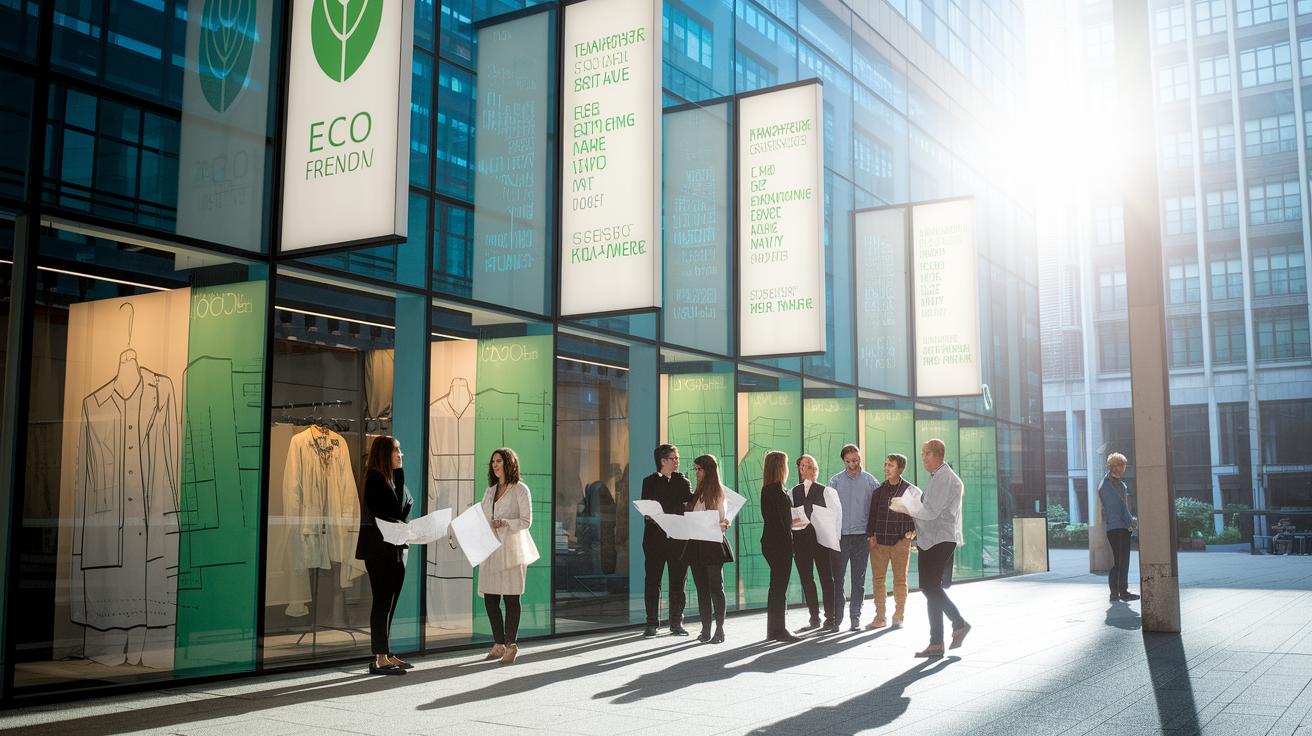
Big changes are on the horizon for fast fashion. Proposed laws like New York's Fashion Act and the EU Circular Economy Action Plan aim to make the industry clearer, reduce waste, and push brands toward greener practices.
The sector is set to grow from $150.82 billion in 2025 to $214.24 billion by 2029 with a steady 7% annual increase. As growth continues, digital experiences, online fashion trends, and smart clothing tech are taking center stage. Retailers are turning to artificial intelligence for trend spotting and machine learning for smarter retail analytics, which helps streamline logistics and speed up production. Meanwhile, evolving trade rules are nudging brands to adapt quickly to shifting consumer tastes.
In short, technology, sustainability, and fresh regulations are all coming together to reshape fast fashion. By 2030, we expect to see a more connected and responsible industry thanks to these smart changes and digital breakthroughs.
Final Words
in the action, we unpacked how rapid production cycles, digital transformation, and emerging sustainability initiatives shape today’s market. We examined consumer behavior, regulatory shifts, and even the tech innovations redefining choices. Fast fashion industry trends continue to inspire change and spark innovative retail models. The outlook remains upbeat as brands evolve and adapt to new demands, leaving us excited for what comes next.
FAQ
What are the fast fashion industry trends shaping today’s fashion market?
The fast fashion industry trends include rapid production cycles, frequent micro-seasons, digital commerce growth, and advanced trend forecasting that enable brands to quickly replicate styles at affordable prices.
Which brands are recognized as leaders in fast fashion?
Fast fashion brands like Zara, H&M, Forever 21, and Shein are recognized for their ability to quickly bring runway styles to market at lower prices without sacrificing style appeal.
What is the current market size and growth of fast fashion?
The fast fashion market is valued at around $30 billion in 2023, with forecasts reaching nearly $40 billion by 2025, reflecting steady growth driven by evolving consumer demands.
How does fast fashion affect the environment?
Fast fashion affects the environment through high carbon emissions, significant water consumption, and microplastic pollution from polyester production, creating major sustainability and waste management challenges.
What production strategies drive fast fashion success?
Fast fashion production relies on accelerated methods that move designs from concept to shelf in weeks or even days, using frequent, small-batch releases that satisfy consumers’ appetite for fresh trends.
Why is fast fashion so popular among consumers?
Fast fashion is popular because it delivers the latest trends quickly and affordably, meeting consumer expectations for swift style updates while making fashionable clothing accessible to a broad audience.
What stores are known as fast fashion retailers?
Fast fashion retailers include physical and online stores like Zara, H&M, Forever 21, and Shein, which are known for their rapid inventory turnover and trend-driven collections.