

Have you ever noticed how a simple character sketch can launch a great story? A well-made character profile acts as your blueprint, turning bland figures into dynamic personalities that jump off the page. Picture a normal person who unexpectedly becomes a hero or even an antihero, one that grabs your attention with every twist.
These profiles help you avoid creative blocks and keep every detail, from quirks to backstory, bright and clear. They set the stage for building characters that are vivid, engaging, and full of life.
Essential Character Profiles Examples for Effective Writing

These ready-to-use character profiles speed up development by giving writers a clear structure they can use right away. They help break through creative blocks and spark new ideas. For example, imagine a high school chemistry teacher who, after a terminal cancer diagnosis, becomes a dangerous drug lord. This mix of everyday life and dramatic change shows how to create well-rounded characters that feel real and engaging.
Pre-made profiles work like blueprints that make sure you don’t miss key details such as personality and backstory. When writers have clear facts like age, role, or quirky traits laid out, they can easily add depth by exploring motivations, conflicts, and inner struggles. These templates serve as both checklists and inspiration, helping you capture every important aspect.
| Element | Description |
|---|---|
| Role | Main function or position in the story |
| Basic Stats | Key details like age, occupation, etc. |
| Personality Traits | Defining characteristics that shape behavior |
| Backstory | Past events that influence the character |
| Motivations & Conflicts | Drives and challenges that push the character forward |
Tailoring these templates to fit your style is crucial. Whether you’re writing a novel, screenplay, or even an academic piece, these short character sketches set the stage for believable and engaging portrayals. Start with a clear structure and then add your own spin to suit the tone of your work, like adjusting a recipe where the base remains steady but the spices change to match your narrative flavor.
Step-by-Step Character Profiles Examples Template
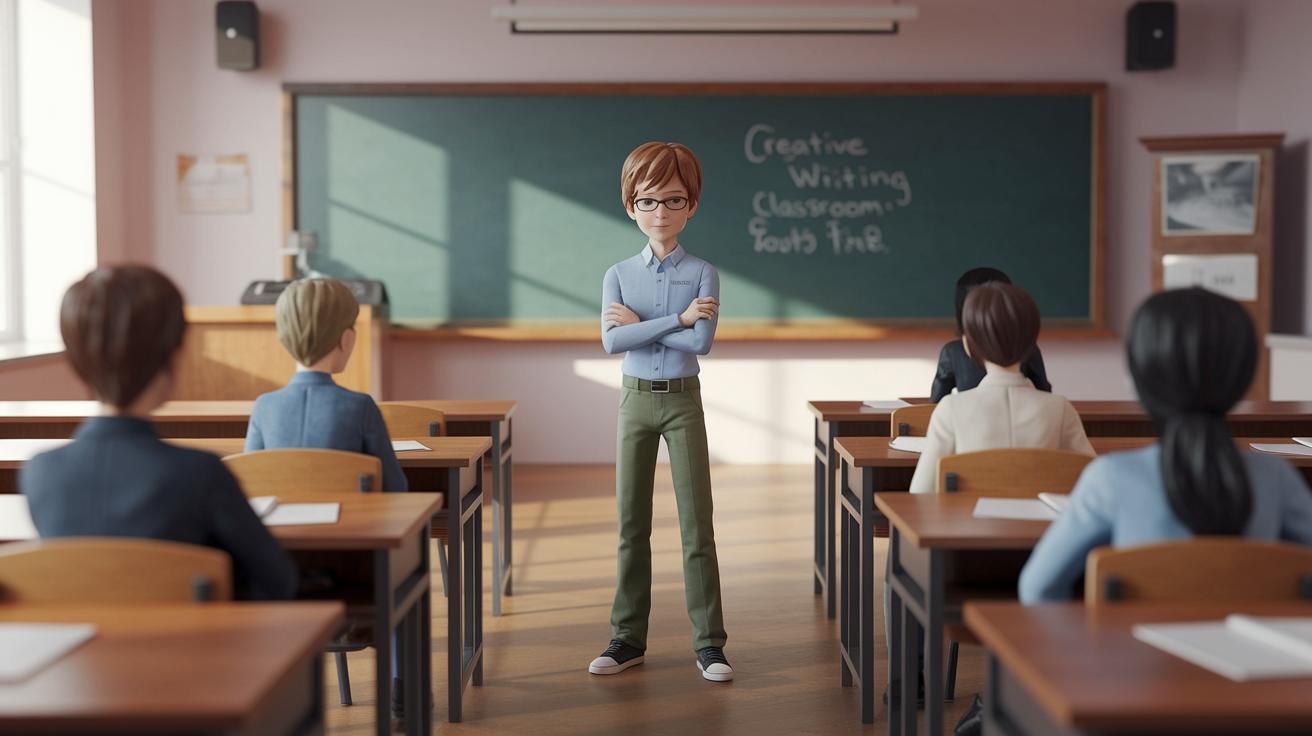
A clear outline helps you capture every key detail and bring your characters to life. It makes sure you cover everything from looks to inner feelings, so your characters stay true to themselves.
-
Role: Decide what part your character plays in the story. Are they the driving force behind the action or an important supporting player?
-
Core Traits: List both their strengths and their flaws. What makes them inspiring yet relatable?
-
Physical Characteristics: Note down their height, build, and any standout features. These details give readers a clear picture of who they are.
-
Emotional Makeup: Describe what’s going on inside. Mention their fears, dreams, and conflicts to show how emotions shape their actions.
-
Backstory: Write a brief history that explains their current choices and motivations. What past events define who they are today?
-
Narrative Involvement: Explain how they fit into the overall plot. Detail their interactions and how they help move the story forward.
This approach lets you "interview" your character and gather rich details that feel real. Whether you're working on a novel, screenplay, or any creative project, this method builds a solid foundation for memorable storytelling.
Iconic Character Profiles Examples from Literature and Pop Culture

Drawing inspiration from famous characters can help you create your own memorable figures. These examples blend clear facts with journeys of personal change and inner struggles.
Walter White Profile Breakdown
Walter White starts as a quiet high school chemistry teacher and transforms into a powerful drug lord after a dire diagnosis. His story shows how inner conflict and harsh challenges can push even the most ordinary person to take drastic steps.
Elizabeth Bennet Profile Breakdown
Elizabeth Bennet shines with her wit and intelligence, even while facing a society that valued arranged marriages. Growing up in a world where choices were made for her, she quietly broke the rules and followed her own path. A notable moment in her story is when she defied tradition by questioning the very idea of arranged marriages. Her layered character teaches us that standing up for personal beliefs can add depth and strength to one’s story.
These profiles mix clear character details, emotional growth, and rich backstories to offer a practical guide for building your own original characters.
Printable Character Profiles Examples and Templates

Writers can kick off their projects with free downloads that are ready to copy and paste. You can grab these files as PDFs or Google Docs. One handy option is a simple persona sheet that gives you a one-page snapshot of a character’s basic details. It works great for classroom handouts or quick brainstorming sessions.
A more detailed backstory framework takes things further. It lays out relationships, daily routines, and even charts conflicts. This tool can add extra depth whether you’re polishing a novel draft or tossing around screenplay ideas.
Another useful template is the motivations and conflict matrix. It helps you map out a character’s inner struggles alongside outside challenges. This format is perfect if you need to see how conflicts shape the story.
Finally, a concise narrative form offers a clean layout for capturing key traits and bits of backstory without too many details. Each of these templates is designed to bring structure and clarity to your creative process, from basic sketches to more intricate character developments.
Best Practices for Crafting Character Profiles Examples

Start by laying out the key stats clearly. Then, add colorful backstories that show your character's motivations and conflicts. Mix in what they do with what they feel, and consider an interview-style Q&A to reveal fresh insights.
For instance, imagine a hardworking mechanic whose basic profile deepens when an interview reveals his secret ambitions and hidden worries. Likewise, a sharp-tongued character becomes even more interesting when her past losses intertwine with her current challenges. Bringing these elements together creates lively profiles that really move the story forward.
Keep updating these profiles as your story unfolds. Adjust both the core details and the hidden layers to maintain a true, engaging narrative.
Final Words
In the action, we saw how character profiles examples set the stage for crafting memorable, layered characters. The post broke down practical templates, from basic stats to intricate backstories, providing writers with clear steps. It also explored pop culture icons like Walter White and Elizabeth Bennet, showing how familiar traits and conflicts bring characters to life.
This guide offers a solid blueprint for generating engaging profiles. Keep experimenting with these ideas, and let your characters evolve with creativity and flair.
FAQ
Q: Character profiles examples pdf
A: The character profiles examples pdf offer downloadable templates outlining essential details such as name, age, personality, and backstory, providing a ready reference for both creative projects and student assignments.
Q: Character profiles examples for students
A: The character profiles examples for students provide structured templates that guide academic writing by presenting clear sections for basic statistics and background details, making it simpler to develop unique and engaging profiles.
Q: Personal character profiles examples
A: The personal character profiles examples showcase how to incorporate intimate details about a character’s personality, quirks, and history, offering a model for creating more authentic and relatable characters in your writing.
Q: Character description examples pdf
A: The character description examples pdf deliver ready-to-download outlines that highlight physical traits, personality aspects, and role in the narrative, helping writers save time while crafting well-rounded characters.
Q: Short character description examples
A: The short character description examples present concise snapshots that combine key details and creative prompts, enabling writers to introduce characters quickly while still sparking interest and clarity in the narrative.
Q: Good character descriptions examples
A: Good character descriptions examples mix essential statistics, personality traits, and conflict points into clearly written formats that help writers create memorable, balanced characters with both depth and clarity.
Q: Character descriptions examples from books
A: The character descriptions examples from books illustrate how established authors weave subtle details with impactful backstories, serving as inspirational models for writers to develop richly layered characters within their own narratives.
Q: Character descriptions generator
A: The character descriptions generator provides automated prompts that create basic character profiles, offering a creative kickstart which writers can further customize to develop detailed, believable personas for their stories.
Q: How do you write a character profile?
A: The process of writing a character profile involves outlining basic details such as name and age, then expanding with personality traits, background, motivations, and conflicts, resulting in a comprehensive blueprint for character development.
Q: What are 50 personality traits?
A: Fifty personality traits refer to an extensive list of qualities—from cheerful to cautious—that help define a character’s behavior and choices, offering a useful resource for selecting attributes that bring depth and uniqueness to your characters.
Q: What are the 5 examples of character?
A: Five examples of character commonly include protagonists, antagonists, sidekicks, mentors, and antiheroes, each representing unique roles that drive plot development and enrich the dynamics of storytelling.
Q: What are 5 positive character traits?
A: Five positive character traits often include kindness, honesty, resilience, empathy, and courage, qualities that help shape characters who are inspiring, relatable, and capable of facing challenges in compelling narratives.