
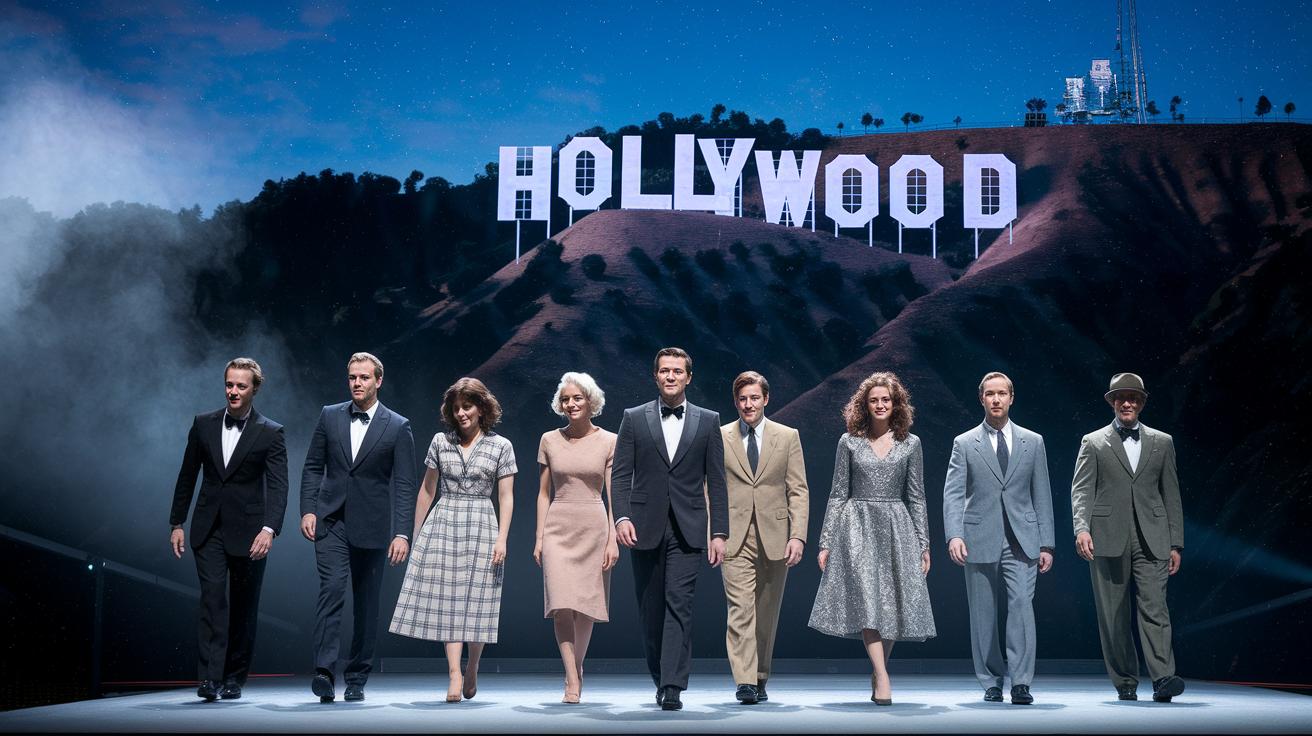
Ever wonder why Hollywood movie debuts feel like magical celebrations? What began as low-key screenings under bright California skies has grown into grand red carpet events that captivate millions. The evolution from early silent films shot on basic cameras to today's dazzling digital premieres shows how creative change sparks cinema magic. In this post, we highlight the key moments that redefined movie premieres and remind us that history continues to inspire the wonder of the silver screen.
A Chronological Overview of Hollywood Movie Debuts
Hollywood got its start in the 1890s when filmmakers flocked to a small area in Los Angeles for its steady sunlight and varied scenery. Early tools like the camera obscura set the stage for what would grow into a huge industry. One key moment happened in 1878 when Eadweard Muybridge used 24 cameras to capture a galloping horse in his project "The Horse in Motion." This experiment paved the way for future breakthroughs in cinema.
Georges Méliès soon followed by creating some of the first narrative films. His early shorts, "The One Man Band" (1900) and "A Trip to the Moon" (1902), showed the creative power of film and sparked the imaginations of filmmakers for years to come.
This timeline covers several important eras. The Silent Era (1890s–1920s) saw filmmakers perfect a visual storytelling style before dialogue became common. The Golden Age (1930s–1950s) brought synchronized sound to the big screen, captivating audiences around the world.
After that, the Transitional period (1950s–1960s) opened the door to television's influence and fresh storytelling techniques. Then came New Hollywood (1967–1980), when directors led projects that broke the old rules. The blockbuster era (1975–present) introduced films to nationwide audiences with powerful marketing strategies. Today, digital and streaming innovations are reshaping how movies debut, blending classic film methods with modern technology.
Silent Era to Golden Age: Milestones in Hollywood Movie Debuts
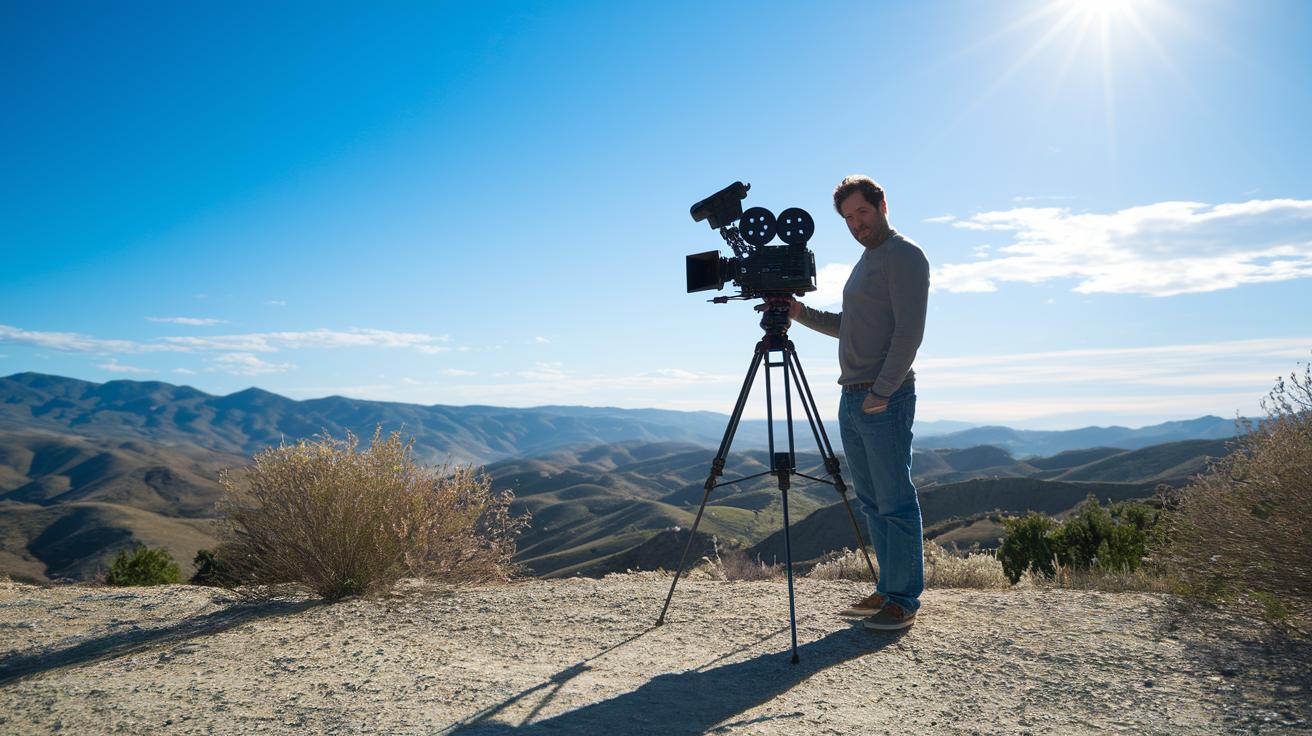
Filmmakers moved away from New York and New Jersey to Southern California, attracted by its endless sunshine and diverse landscape. They wanted a perfect setting for their films without the strict patent rules. Picture a bold director choosing to film outdoors with bright blue skies instead of using a cramped studio on the East Coast.
During the silent film age, spanning the 1890s to the 1920s, stories were told without dialogue. Then, in 1927, The Jazz Singer introduced synchronized sound, mixing dialogue and music in a way that captivated audiences and marked the end of the all-silent era.
From around 1927 to 1934, in what’s known as the Pre-Code era, filmmakers enjoyed creative freedom. Studios like Paramount, MGM, Warner Bros., RKO, and 20th Century Fox hosted glamorous premieres from the 1930s through the 1950s. Early Technicolor films amazed viewers with vivid colors, even as they faced high production costs and technical challenges.
These shifts in debut strategies and production techniques set the stage for a film industry that constantly reinvents how movies make their grand entrance.
New Hollywood and the Rise of Blockbuster Movie Debuts
Back in 1948, a Supreme Court ruling changed everything. Studios had to sell off their theater chains, which ended their tight grip on every step of the film process. This decision opened the door for more creative freedom. Between 1967 and 1980, movies like "Bonnie and Clyde" and "The Graduate" showed that directors could take charge. They didn’t just shape the films; they also changed how movies were launched.
These turning points turned movie premieres into big, bold events. Imagine a film debut that moved from a controlled studio release to a celebration that truly connected with a young, eager audience, this change rewrote the rules for movie releases.
By the mid-1970s, the blockbuster era had begun. Films such as "Jaws" (1975) and "Star Wars" (1977) started their showings all across the nation with bold, wide releases and heavy marketing. Soon, merchandising tie-ins and big summer rollout events became the norm, building excitement and drawing in crowds like never before.
These changes broke away from the old, studio-controlled methods. They set the stage for a director-led era that turned film premieres into cultural spectacles, leaving a lasting mark on audiences for generations.
Red Carpet Reveal Innovations in Hollywood Movie Debuts
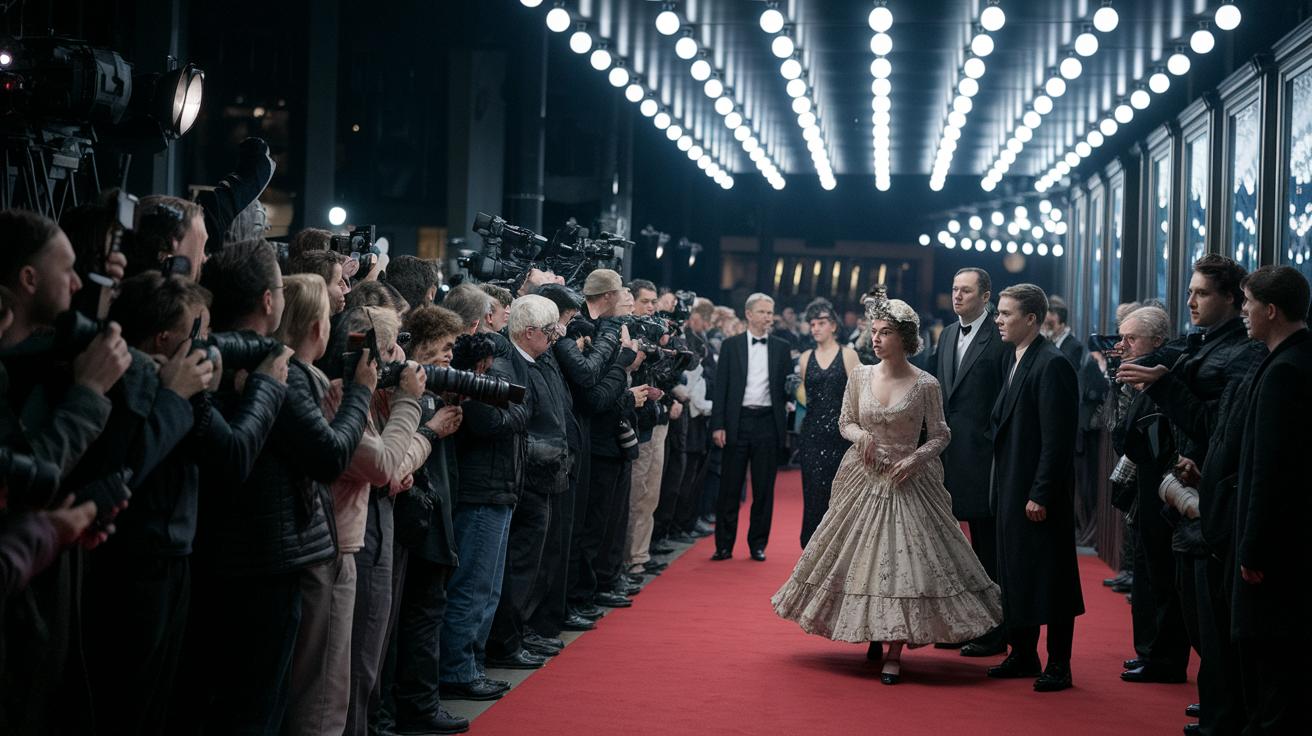
Once confined to private press-only screenings, early movie premieres were a far cry from today's dazzling public spectacles. In the early years, industry insiders gathered at secretive screenings with little fan engagement. For example, imagine a scene where the only lights were from press flashes rather than a full-blown show tuned for public excitement.
The first public red carpets made their debut in the 1920s, with events like the 1922 premiere of "Robin Hood" setting a new standard for star entrances. This era marked the beginning of transforming film debuts from closed industry events to theatrical spectacles where stars could shine.
After World War II, red carpet events evolved with fan galleries, televised interviews, and vibrant fashion coverage. Outfits became a canvas, and every step down the carpet turned into an opportunity to create buzz. Early examples included simple press events with a few photographers capturing the glamour, soon giving way to expansive red carpet gatherings that built anticipation and community among fans.
Today, movie debuts are an immersive experience. Modern events buzz with digital photography, live streaming, VR headsets, and even branded after-parties. Picture a premiere where a star's entrance is broadcast live via social media, creating a global event that invites fans into a shared moment of cinematic magic.
Marketing and Publicity Shifts in Hollywood Movie Debuts
Back in the Golden Age, studios handled all their publicity themselves. Newspapers and fan magazines ran trade ads that set the stage for a film’s big reveal. Early on, studios carefully shaped every detail of a film’s debut. In the 1930s, a single trade ad could stir up a nationwide buzz before a movie even hit theaters.
Everything changed after the 1948 ruling that ended full vertical integration. New, independent PR firms popped up and started crafting fresh, engaging stories around movie premieres. This shift let studios relax their grip and try out creative new approaches, like press tours and exclusive interviews, to build excitement.
By the 1970s and 1980s, movie debuts had transformed again with the rise of summer blockbusters. National press tours and TV spots turned film launches into major events. Studios planned premieres that felt like nationwide celebrations, drawing viewers not just to theaters but into living rooms where TV buzz was in full swing.
As technology advanced, marketing moved from print and TV to the digital world. Social media campaigns, partnerships with online influencers, and teaser apps now play the main role. Smart data targeting and geo-fenced events can turn a local screening into a global event. For example, a streaming service might kick off a film with interactive online events and live virtual Q&A sessions that reach millions instantly.
Today, digital innovations have made publicity strategies even sharper. Custom online campaigns and predictive analytics allow studios to design rollouts that capture fans' excitement well before the premiere. This evolution continues to transform movie debuts into immersive, multi-platform experiences that bring audiences together in new ways.
Technological Impacts on Hollywood Movie Debuts
Back in 1927, The Jazz Singer changed movie debuts forever by adding synchronized sound. No longer were films silent – audiences got dialogue and live music right from the first scene. This breakthrough reshaped how films tell stories and made each premiere a full audiovisual treat.
In the early 1930s, Technicolor added even more magic. Movies like The Wizard of Oz dazzled viewers with rich, bold colors. These premieres became special events, offering a visual feast that captured everyone’s attention.
More recently, digital cinematography has once again transformed movie debuts. Films such as The Social Network (2010) and Birdman (2014) used digital tools to create smooth visuals and striking effects. They combined CGI (computer-generated imagery) with virtual production techniques, giving fans interactive and immersive launch experiences.
Since the 2000s, streaming platforms have changed the debut playbook. Today, films can launch globally at the same time, with live broadcasts and real-time fan interactions. Studios now stage online events that blend classic cinematic charm with the latest digital innovations.
Future Trends in Hollywood Movie Debuts: Streaming to Virtual Premieres
Films are breaking out in exciting new ways these days. Major studios are dropping movies online and in theaters at the same time so fans everywhere can watch them at once. This new method makes movie debuts easier to access and brings fans together from all over the world.
Producers are getting creative with how they connect with audiences. Think about fans hosting their own online watch parties, joining live Q&A sessions with directors and actors, or even scoring a spot at virtual red carpet events through special apps. These new formats turn a movie premiere into a lively, interactive party where everyone plays a part.
Virtual reality and augmented reality are taking movie events to a whole new level. Now, viewers can join digitally recreated theaters or step onto a virtual red carpet. It feels like you’re really there, making every debut a unique and memorable occasion.
Studios are using smart tools like predictive analytics and AI to send personalized invites that match each fan’s taste. Plus, early trials with metaverse screenings and blockchain-based ticketing could soon bring even more security and fresh ways to enjoy movie premieres.
Final Words
In the action, Hollywood movie debuts have transformed dramatically. We traced early silent screenings, the Golden Age’s studio magic, and director-led breakthroughs that stirred the blockbuster vibe. Short-lived red carpet events evolved into immersive, digital experiences that thrill fans every day.
Each milestone reshaped marketing, publicity, and technology, paving the way for modern streaming and virtual premieres. The evolution of movie debuts in Hollywood proves that change brings exciting new ways to celebrate film and entertain audiences.
FAQ
What does the evolution of movie debuts in Hollywood on Wikipedia explain?
The evolution of movie debuts in Hollywood on Wikipedia explains how film introductions changed over time, from early silent films to today’s blockbuster digital launches.
What does the timeline for movie debuts in Hollywood show?
The timeline for movie debuts in Hollywood shows a progression from the silent era through the golden age to modern premieres, highlighting key innovations and technological shifts.
What is the history of the Hollywood film industry all about?
The history of the Hollywood film industry covers its origins in the 1890s, the rise of major studios, the introduction of sound and color, and the shift to digital media.
What does the Hollywood film industry timeline illustrate?
The Hollywood film industry timeline illustrates major milestones, from the silent film era and landmark technological advances to the present-day digital streaming revolution.
Which country made the first movie in the world?
The first movie in the world was made in France by the Lumière brothers, marking an early milestone in cinema history during the 1890s.
What can be found in a PDF on the history of the Hollywood film industry?
A PDF on the history of the Hollywood film industry typically provides a detailed timeline, major milestones, and insights into technological and studio developments across the decades.
What does the film history timeline include?
The film history timeline includes significant events from early experiments like Muybridge’s motion studies, through the silent film period, evolving techniques, and current digital transformation.
When was the Hollywood film industry founded?
The Hollywood film industry was founded in the 1890s when filmmakers gathered in Los Angeles, drawn by better light and diverse landscapes for filming.