
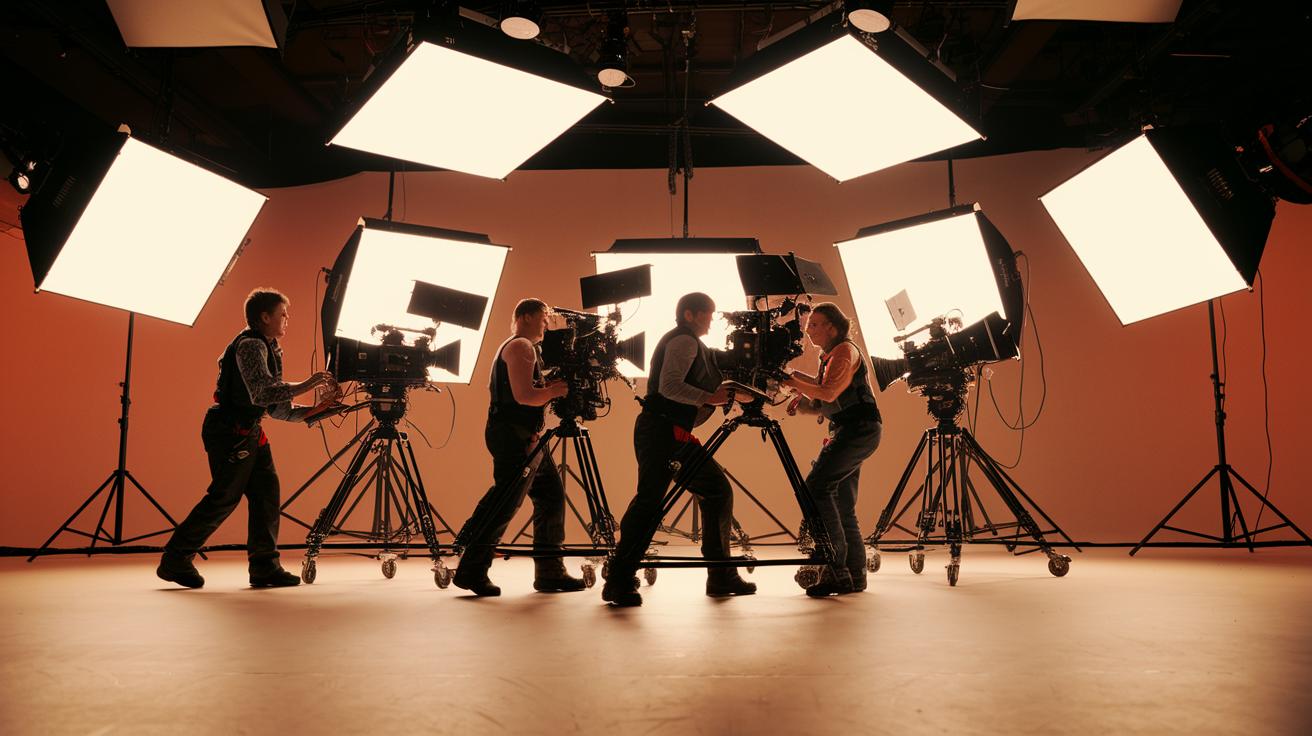
The future of filmmaking is here. New breakthrough tools are letting directors craft eye-catching scenes faster than ever. Virtual production and AI-driven post-production speed up work, cut costs, and keep creative vision alive. Real-time rendering and smart technology add a dynamic twist to storytelling. Meanwhile, film sets are becoming creative labs as production teams use eco-friendly and cost-effective methods. This fresh era of cinema blends innovation, sustainability, and artistic freedom into one exciting new chapter.
Top Innovation Trends Shaping Film Production Today
Film making is changing fast as digital tools push creative limits. Virtual production uses high-definition LED screens and real-time rendering to replace bulky sets and expensive locations. This lets filmmakers switch up scenes instantly while keeping costs low and creativity high.
At the same time, AI and machine learning are making everything smoother, from script development to post-production editing. New tools help with visual effects and even capture stunning aerial shots using drones fitted with HDR sensors. Film sets are also getting greener thanks to eco-friendly materials and renewable energy sources.
- Virtual production using high-def LED screens and real-time rendering.
- AI and machine learning to streamline tasks from scriptwriting to editing.
- Drone-driven aerial shots with HDR sensor technology.
- Sustainable film sets built with eco-friendly materials and renewable energy.
- Immersive storytelling through VR/AR experiences.
- Streaming-powered models that change production timelines and budgets.
These innovations go beyond technical upgrades. They’re reshaping how stories are told. With dynamic scene changes on set and smarter, more efficient post-production, the film industry is stepping into a creative and cost-effective new era.
Virtual Production Systems Driving Real-Time Cinematic Creativity
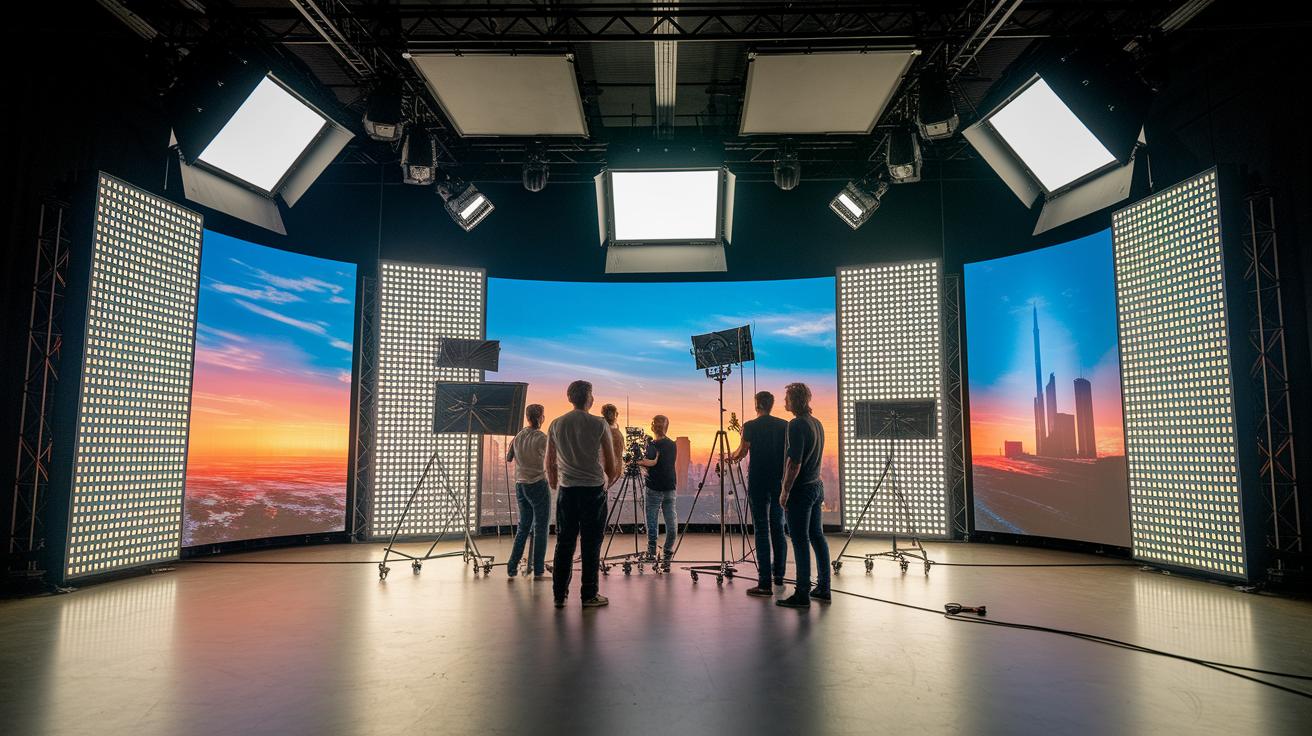
Virtual production transforms film sets with LED walls and real-time CGI. This smart tech cuts down on building physical sets and speeds up the creative process. It mixes digital backdrops with live footage, giving filmmakers instant control over lighting and mood.
- Merges live-action footage with CGI to create vivid digital scenes.
- Cuts the need for physical sets and extensive scouting, saving time.
- Lets directors adjust LED lighting on the fly to instantly change a scene’s tone.
- Improves efficiency, reducing overall production time and costs.
This approach lets creative teams tweak scenes on the spot while staying lean, paving the way for innovative storytelling without extra hassle.
Artificial Intelligence Applications Transforming Film Production
Script analysis powered by AI is changing the game for writers. Advanced tools now check scripts for pacing, character growth, and overall flow. Early drafts can be scanned in real time to spot clunky dialogue and plot holes. This helps writers polish their work fast while giving directors clear insights before filming starts.
During production planning, machine learning tools make life easier by automating tasks like editing coordination, shot matching, and tagging details. They quickly sift through footage, flag the best takes, and even suggest scene arrangements that match a director's vision. This smart automation reduces tedious work and lets creative teams focus on the art.
In post-production, AI steps in to handle labor-intensive tasks. It speeds up work like rotoscoping and compositing, while sound-mixing assistants fine-tune audio for a richer sound. By boosting both visual quality and audio clarity, AI saves countless hours and keeps every scene on point.
Eco-Friendly Practices and Sustainable Innovations in Film Production
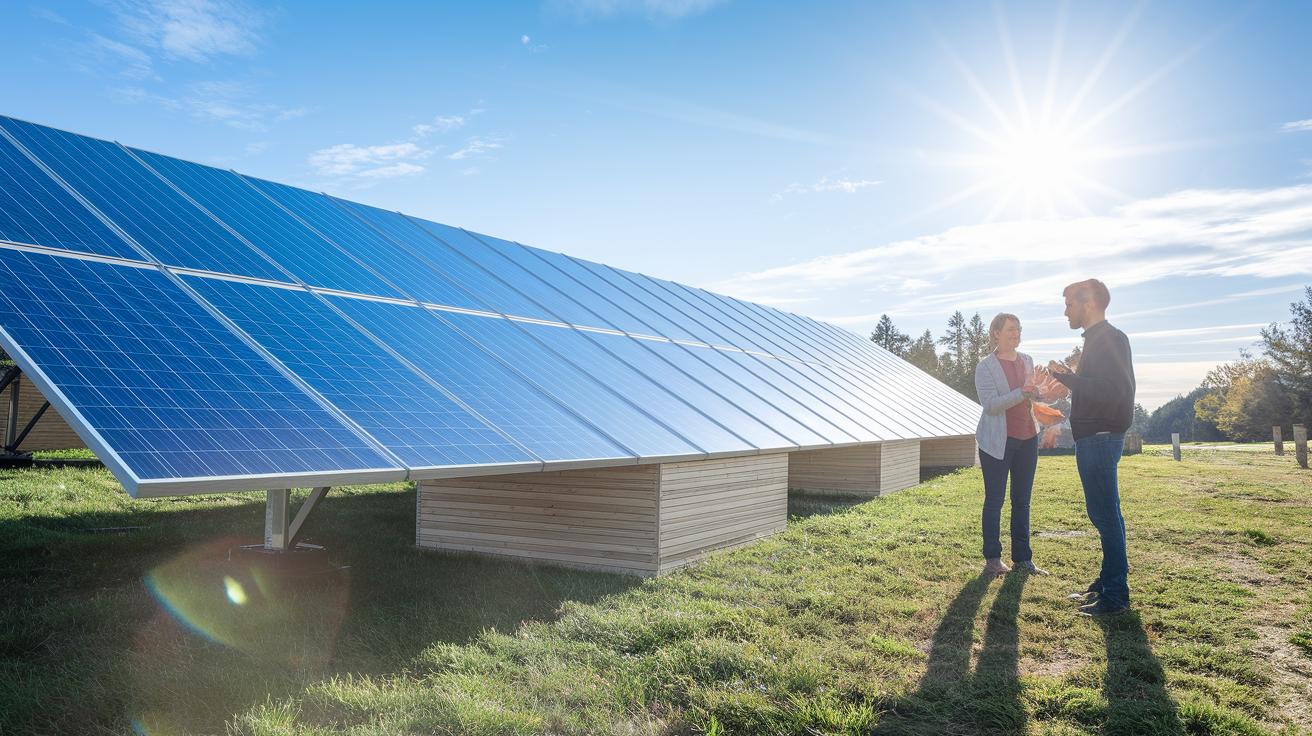
Film productions are switching to renewable energy sources like solar generators and biofuels. This move not only cuts down on carbon emissions but also slashes power costs. One set manager mentioned, "Switching to solar power cut our energy bills nearly 30%."
Today’s film sets focus on reuse. Crews use modular set pieces and eco-friendly materials that can be repurposed. This means they can build and dismantle sets quickly while keeping waste low, which saves money and natural resources.
Lighting is getting a green makeover too. LED and low-wattage lights deliver bright, reliable illumination with much less power. This change lowers running costs and reduces the load on power grids.
Many sets now follow strict waste-reduction guidelines. They use recycling programs, digital paperwork, and water-saving tactics to streamline operations. These eco-friendly strategies protect the environment and cut costs, making film production more sustainable.
Immersive Storytelling with VR and AR in Film Production
Virtual reality and augmented reality are changing how films tell stories. They pull you into the action with interactive experiences that feel personal and alive. Imagine slipping on a VR headset that wraps you in a full 360° view or watching digital effects appear in real time on set. Directors now blend real and digital elements to make every scene pop.
Virtual Reality in Cinematic Experiences
VR lets you explore movie scenes from every angle. With head-mounted displays, you're not just watching, you’re part of the story. Recent projects show that when viewers jump into VR experiences, they really connect with the narrative. Many say, "It feels like I’m actually inside the movie," proving that this tech turns ordinary watching into something memorable.
Augmented Reality on Set
AR brings digital magic to live filming. On-set tools let directors see digital characters and effects as they film, so every detail fits perfectly with the real set. This approach speeds up creative tweaks and makes it easier to blend live action with digital visuals. By merging real footage with on-the-spot digital elements, directors boost both the final look and production efficiency.
Together, VR and AR open up new ways for audiences to connect with films. These technologies spark creative ideas and give filmmakers the power to create stories that feel as real as the world around us.
Cutting-Edge Camera and Cinematography Technique Innovations
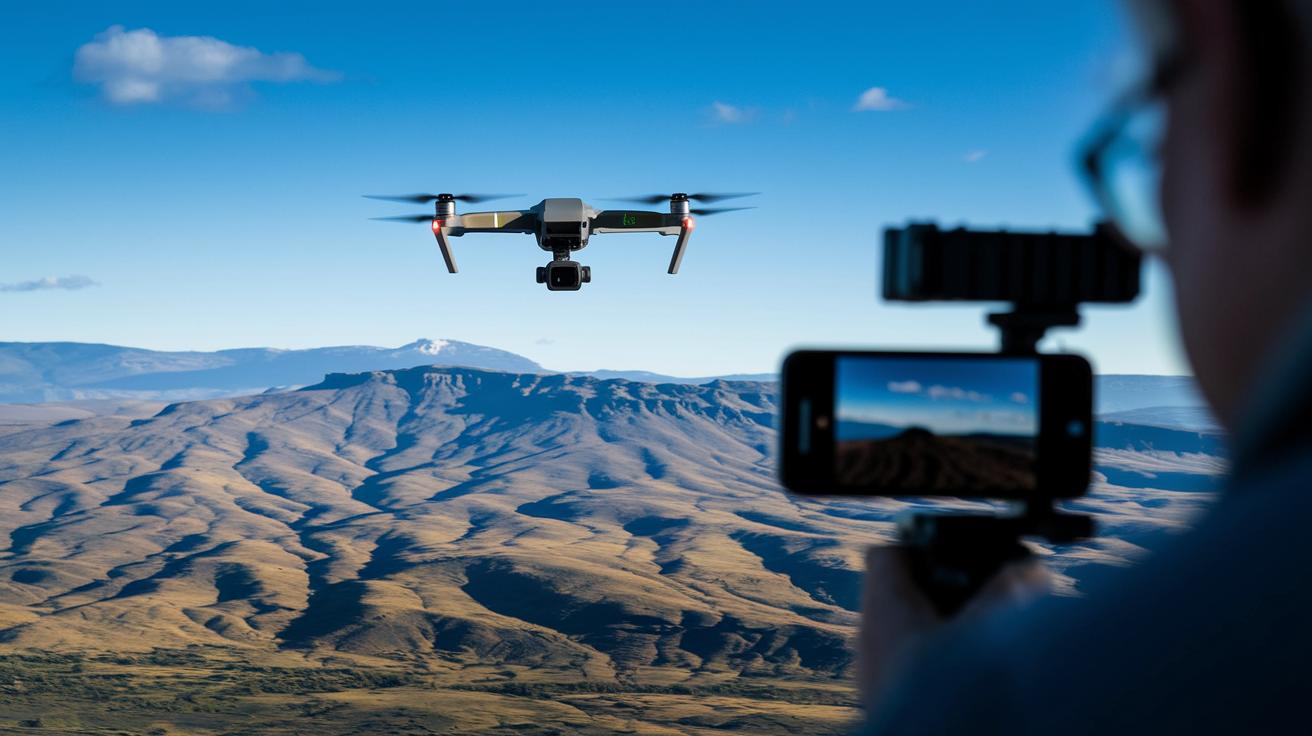
Drone tech is changing the film game. Cameras on drones now shoot in crystal-clear 4K and even 8K, giving us smooth aerial views that were once hard or too expensive to capture. With remote gimbal control, filmmakers get steady, precise shots of wide landscapes and creative angles without the hassle.
High dynamic range sensors are stepping up the visual experience. These sensors capture a wider range of light and color, which means scenes come out looking richer and more lifelike, even when the lighting is tricky. The result? Images that really pull you into the story.
Compact, lightweight rigs have become a must-have in tough filming spots. Their small size makes them perfect for extreme settings or cramped spaces where bulky equipment just won’t do. This flexibility helps production teams get energetic, on-the-go footage without losing quality.
New 3D capture rigs and stereoscopic lens arrays are taking things to a whole new level. By blending different angles, these tools create a deep, immersive look that grabs viewers’ attention. Filmmakers are using this tech to craft scenes that are not only visually stunning but also push the boundaries of storytelling.
Post-Production Breakthroughs: Editing, Color Grading, and Sound Design
Real-time collaborative editing platforms have revolutionized filmmaking. They let teams in different places work together on a single cloud-based timeline, speeding up reviews and allowing instant adjustments. One crew even saved days of work by using a shared timeline that made feedback immediate.
AI-powered VFX tracking is another breakthrough. It automates tricky tasks like rotoscoping (tracing elements frame by frame) and shot matching, so filmmakers can zero in on creative choices. Some AI tools even spot tiny frame differences, cutting hours off manual work.
New color-grading tools support ACES and HDR pipelines, offering a broader color range and sharper image reproduction. With these advances, artists can push visuals to new heights while keeping every scene consistent. Directors now achieve film-quality looks even when time is short.
Modern sound-design suites, enhanced with Dolby Atmos integration, bring audio to life like never before. They offer fine-tuned mixing capabilities that let sound engineers polish every detail, creating rich, layered soundscapes that completely surround the audience.
Forecasting Future Innovation Trends in Film Production Technology
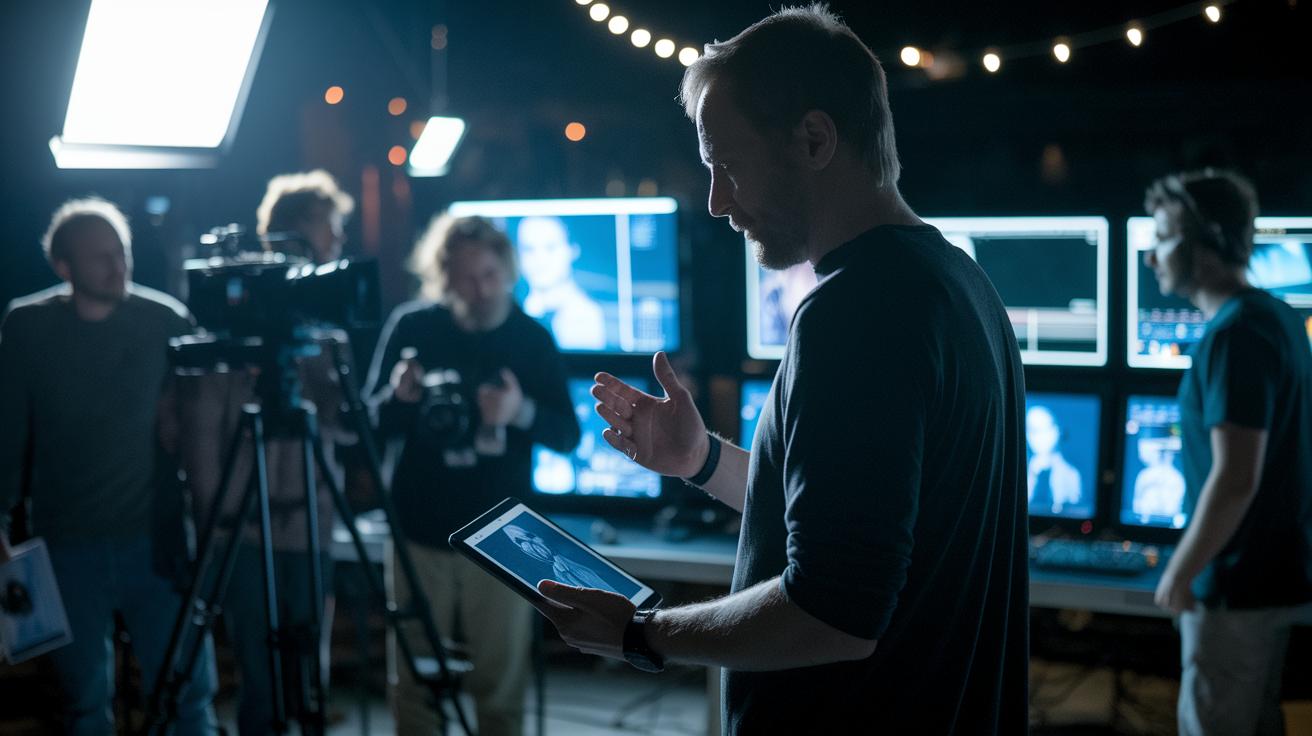
Real-time, on-set CGI rendering is shaking things up. Filmmakers can now see digital effects as they shoot, letting directors make quick changes and try new visuals right then and there. Producers are using audience data to plan scenes and budgets, ensuring every part of the production really connects with viewers.
Blockchain is stepping in as a smart tool for managing rights and tracking royalties. With secure digital ledgers, filmmakers can simplify contracts and set up automatic payments, which helps avoid money disputes. When combined with remote direction and crowd-sourced funding, blockchain opens new creative doors, especially for indie filmmakers who don’t want the usual studio restrictions.
Streaming platforms and micro-distribution channels are also changing how films reach audiences worldwide. As traditional methods give way to on-demand content, creators are finding fresh ways to fund projects and engage viewers. Remote production techniques, boosted by real-time CGI and data insights, let filmmakers adapt their storytelling to what the audience loves. This blend of technology and creative freedom is setting the stage for exciting future trends in film production technology.
Final Words
In the action, our discussion spanned virtual production, AI, eco-friendly practices, immersive VR/AR experiences, modern camera techniques, advanced post-production, and forward-looking technologies. Each section spotlighted how these developments reshape storytelling and create engaging visuals.
Innovation trends in film production are sparking new creative energy, setting the stage for films that push boundaries and keep audiences entertained. The future of cinema is bright and full of exciting possibilities.